
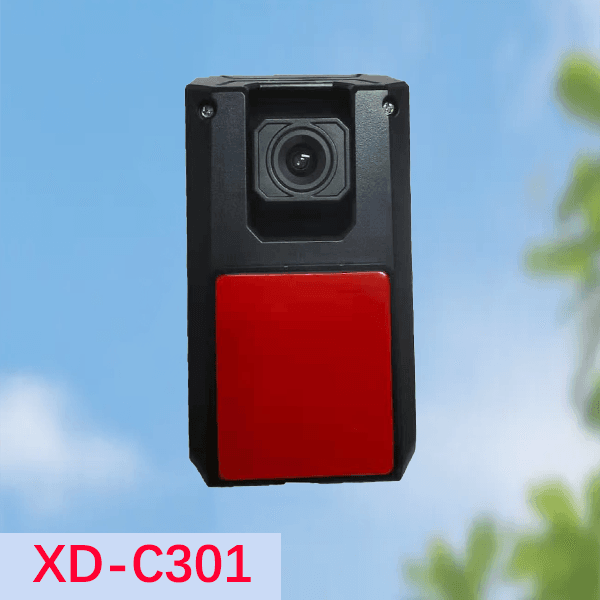
Two cameras can carry the same megapixel number and still produce very different footage at night. One gives a clean image of a parking lot after dark, while the other produces a grainy mess in which a face or a license plate is impossible to read. A big part of that gap has a name: sensor read noise. It is one of the least glamorous parts of a camera and one of the most important for anything filmed in low light, as imaging engineers often point out, Teledyne explains.
What Read Noise Actually Is
So what is read noise? When a camera captures a scene, each pixel collects light and turns it into an electric charge. The camera then reads out that charge and converts it into a digital number. The electronics that do the reading add a small, random error every time, and that error is the read noise. It is there whether the scene is bright or dark, which is why engineers call it signal-independent. For vehicle security cameras, that steady noise floor limits how faint a detail the camera can still show.
A simple analogy helps. Imagine trying to hear a whisper in a quiet room versus a noisy one. Read noise is the background hiss of the camera’s own electronics. In bright light, the whisper is actually a shout, so the hiss doesn’t matter. In the dark, the signal really is a whisper, and a camera with a loud internal hiss drowns it out. A car video surveillance system built on low-noise sensors keeps that hiss down so the whisper still comes through.
Why It Only Shows Up in the Dark
The trouble shows up when there is barely any light to work with. In daylight, the real image is strong and easily rises above the noise. At night, the signal shrinks until it is close to the noise floor, so the read noise becomes the thing you actually see. Lower read noise means the camera keeps producing a usable picture as the light drops. That is precisely the challenge a mobile DVR system faces on a night route, in a tunnel, or in an unlit yard.
Read Noise and Night Vision
This connects directly to night vision, and it helps to be precise about the terms. Night-vision cameras capture video in darkness in two main ways. Infrared cameras add their own invisible IR light to illuminate the scene. In contrast, starlight cameras rely on very sensitive, low-noise sensors to form an image from the small amount of ambient light already present. Starlight performance depends heavily on low read noise because there is no added light to fall back on. A well-chosen in-vehicle camera monitoring system uses whichever method suits the vehicle and the route.
A Hard Environment for Any Sensor
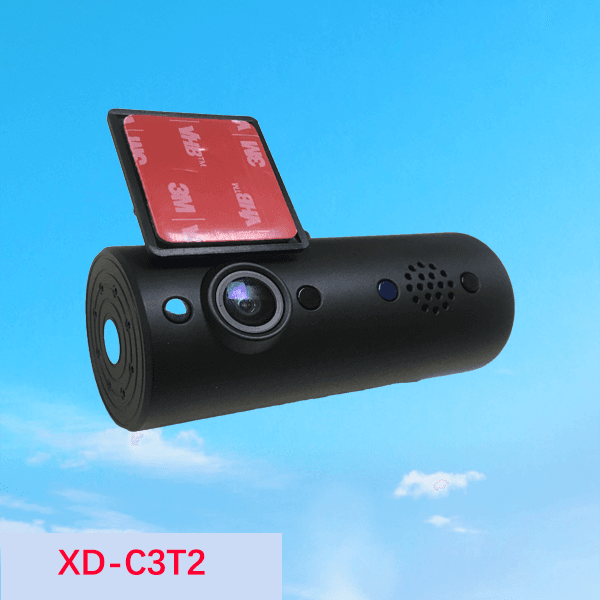
Vehicles create a demanding environment for any sensor. A camera watches the road through a windshield at dusk, then stares into oncoming headlights, then rolls into a dark loading bay, all within minutes. Both AHD and IP cameras in a fleet depend on how their sensors handle these swings, and read noise quietly affects both. A vehicle surveillance system that looks good only in daylight is not much help when most incidents happen after dark.
How Manufacturers Keep Read Noise Low
Camera makers have real tools to fight read noise. Modern CMOS sensors use a technique called correlated double sampling, which measures each pixel twice and subtracts the baseline to cancel much of the noise added during readout. On-chip converters and careful circuit design push the noise floor lower still. These advances let good sensors work in low light without bulky cooling, as Adimec notes. The result reaches the road as cleaner night footage from a compact auto DVR camera system.
What to Look For When Choosing Cameras
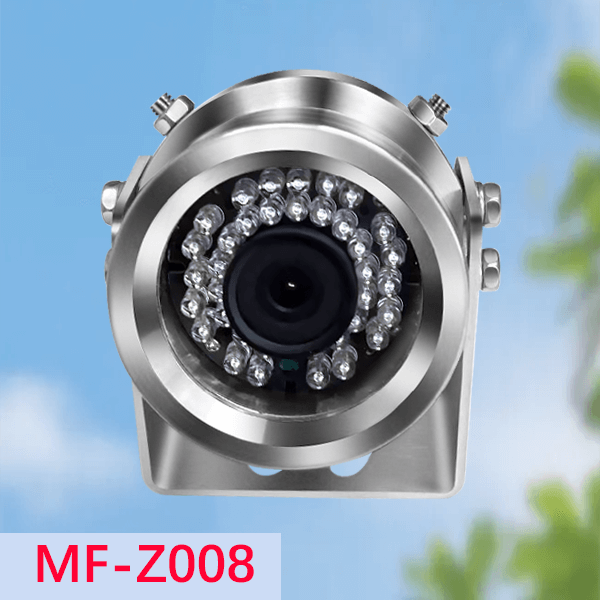
For anyone choosing cameras, the lesson is to look past the megapixel headline. A sensor’s low-light behavior, including its read noise, often matters more than resolution for real evidence, a relationship studied closely in imaging research and sensor engineering literature. When comparing CCTV vehicle security cameras, it is worth asking how each performs in near-darkness, not just how sharp it looks in a bright showroom.
Read noise is not the only image challenge on a vehicle. Cameras also face harsh glare, such as headlights against a dark background, which is where wide dynamic range helps balance bright and dark areas in the same frame. MacFaith Co., Ltd.’s digital rearview camera monitor system uses WDR cameras for exactly this reason. Pairing low read noise with wide dynamic range gives a camera a fighting chance in the messy lighting that real roads serve up.
Think about the moments that matter: reading a license plate on a dim street, capturing what happened in a cabin at midnight, or confirming that a cyclist stepped off a curb in near-darkness. In each case, a camera with low read noise turns a hopeless smear into something a manager or an investigator can actually use. A vehicle black box DVR is only as strong as the images its cameras feed it after sunset.
Low light creates another challenge: read noise. To brighten a dark scene, a camera can slow its shutter and gather more light, but on a moving vehicle that smears fast action into a blur. A sensor with low read noise can keep a faster shutter and still deliver a clean image, so a mobile DVR system captures a passing plate or sudden movement without turning it into a streak. Low noise and usable motion go hand in hand at night.
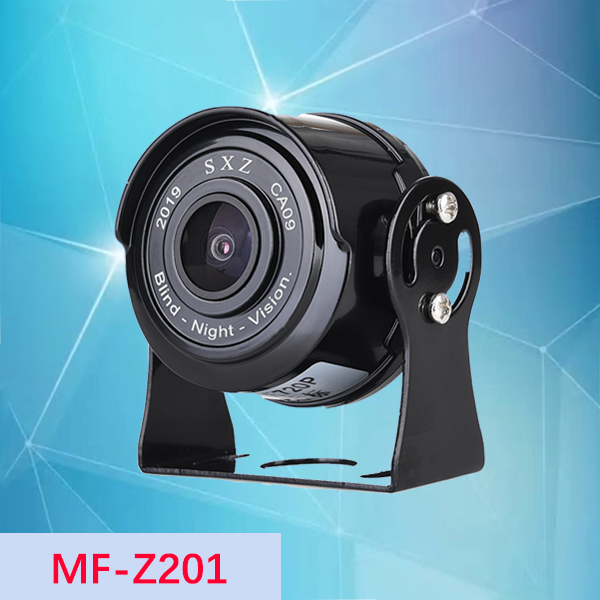
Good low-light results also depend on keeping the hardware honest. A dirty lens, a fogged housing, or a misaimed infrared lamp can undo a fine sensor, so simple upkeep matters. Even so, the sensor sets the ceiling. Two vehicle security cameras in identical housings will part ways in the dark based on the sensor inside, which is why the specification deserves attention before purchase, not after a blurry clip disappoints.
None of this means every dark scene requires the most expensive camera. It means matching the sensor to the job. A yard that stays lit can use a simpler camera, while a night delivery route deserves a stronger low-light unit. Spending the budget where darkness is common gives a vehicle surveillance system its best return, since the footage is there when an incident finally tests it.
Where MacFaith Co., Ltd. Fits In
At MacFaith Co., Ltd., we use this understanding to select and tune our cameras. Based in China, we have manufactured and supplied vehicle monitoring systems since 2011, including AI-enabled AHD and IP cameras for day and night use. Our vehicle security cameras hold detail in low light; our commercial vehicle DVRs record feeds across the fleet; and our digital rearview camera monitor system uses WDR cameras to tame glare.
Want cameras that still deliver when the light is gone? At MacFaith Co., Ltd., we match the right sensor to your conditions. We fit the car cameras and show you how each one performs day and night; we connect them to a DVR that records every channel as one system; and we add DMS and ADAS cameras so the setup helps drivers avoid trouble, not just record it. Tell us where your vehicles run after dark and speak with our team about the right low-light cameras for your fleet.