
A camera on a busy delivery truck goes dark for ten seconds while the vehicle crosses a rough patch of road. Nobody in the cab notices, but if the recorder ignored that gap, a manager reviewing footage later would find a blind spot at the worst possible time. This is where a well-built hybrid mobile DVR camera system shows its value. Instead of failing quietly, it notices the loss, reacts, and keeps a clear record of exactly what happened. Understanding that behavior helps operators judge whether their equipment will hold up when a connection drops, a concern shared across the wider standards that govern networked video.
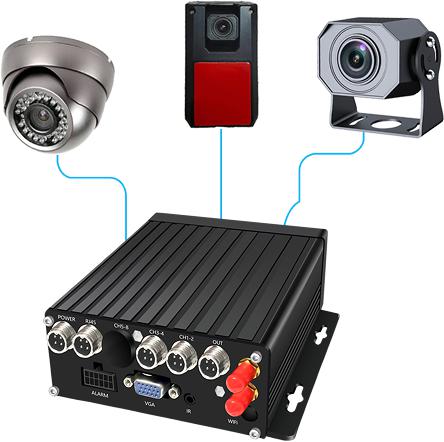
A hybrid mobile DVR is the recorder at the heart of a modern vehicle camera setup. Hybrid means it accepts two very different kinds of cameras at once: analog AHD cameras that send video down coaxial cable, and digital IP cameras that connect over a network. Because these two camera types can fail in different ways, the recorder has to watch both closely. When any channel stops delivering usable video, the hybrid mobile DVR camera system treats it as an event worth acting on, not background noise to be ignored.
Why Camera Signals Drop in the First Place
Signal loss rarely has a single cause. On the analog side, a damaged or corroded coaxial cable, a loose connector, or a cut wire can interrupt the video from an AHD camera in an instant, which is why sound connectors and cabling matter as much as the cameras. On the network side, IP cameras can drop off when a switch reboots, a cable works loose, or the network becomes congested. Hardware faults add a third category, from a failing image sensor to a camera that loses power. A capable mobile DVR cannot prevent every one of these, but it can detect them quickly and respond consistently.
How the Recorder Detects a Failure
Detection starts with constant monitoring. The hybrid mobile DVR camera system checks each channel for a valid video signal many times a second, so it catches a feed that goes flat or disappears almost immediately. For analog channels, the recorder watches for the loss of the video sync signal that every healthy camera produces. For IP channels, it tracks the network stream and notices when the expected packets stop arriving. The moment a hybrid mobile DVR confirms that a channel has genuinely dropped rather than flickered for a single frame, it moves from watching to acting.
Telling a Glitch From a Real Fault
Not every flicker is a failure, and a well-designed recorder knows the difference. A single dropped frame as a vehicle bounces over a pothole is normal, while a feed that stays dark for several seconds is a genuine fault. If a hybrid mobile DVR reacted to every tiny interruption, its logs would fill with noise and bury the events that truly matter. Sensible detection waits just long enough to be certain a channel has dropped before flagging it, which keeps the record honest and spares your team from chasing false alarms across the hybrid mobile DVR camera system.
Isolating the Affected Channel
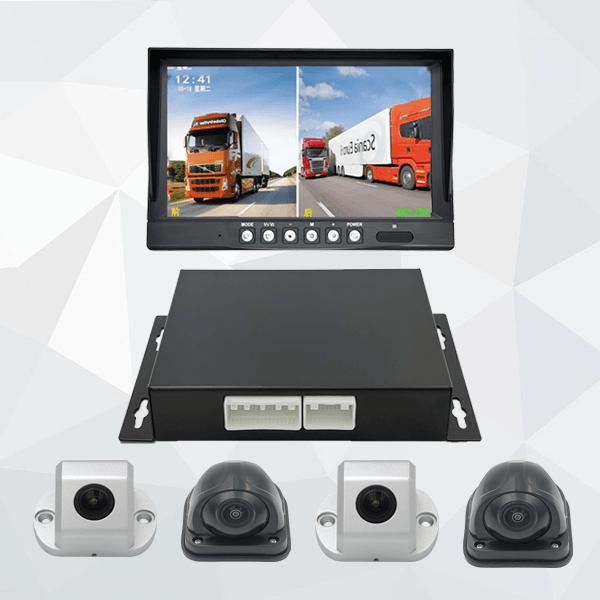
A key strength of a multi-channel recorder is that one failed camera does not drag down the rest. When a channel fails, the mobile DVR isolates it and keeps every other camera recording normally. A truck with a dead rear camera still captures clean video from the cab, the sides, and the road ahead. This isolation matters because incidents rarely wait for a convenient moment, and a vehicle surveillance system that stays fully online except for one known blind spot is far more useful than one that stumbles across the board. The recorder also clearly flags the lost channel, so the gap is visible rather than hidden.
Logging Every Diagnostic Event
Alongside isolating the fault, the recorder writes down what happened. Every drop and recovery becomes a timestamped entry in a diagnostic log, a practice borrowed from computing, where data logging turns raw events into a record you can study. For a hybrid mobile DVR camera system, that log answers the questions a manager will ask later: which camera failed, when, for how long, and how often. A pattern of a camera dropping out over the same stretch of bumpy road, for example, points to a loose connector rather than a failing camera. Good logs turn a one-off mystery into a fixable maintenance item.
A Day in the Life of a Dropped Channel
Picture a coach on a long intercity route. Halfway through the trip, a side AHD camera loses signal because a connector has worked loose under constant vibration. The hybrid mobile DVR camera system keeps recording the other channels without interruption, logs the exact minute the side view dropped, and restores it automatically when the connector reseats over the next bump. When the operator reviews the day, the log points straight to the loose connector. A two-minute fix at the depot then stops the same fault from recurring, and no footage from the other cameras was ever at risk.
Restoring Recording When the Signal Returns
Recovery should be automatic. Once a camera starts sending valid video again, the hybrid mobile DVR returns the channel to normal recording without anyone needing to touch it. The recorder marks the moment the feed returned in the same log that noted the loss, so the full story stays intact. Throughout all of this, the storage never stops, because the recorder writes each working channel independently, and a fault on one camera has no effect on the video being saved from the others. A mobile DVR built this way protects most of the record even during a fault, which is exactly what an operator needs when an incident coincides with a dropped channel.
Why the Network Side Needs Extra Care
IP cameras bring flexibility but also new failure modes, so the networked half of a hybrid system deserves attention. Industry interoperability standards help different cameras and recorders speak the same language, so a hybrid mobile DVR can reliably detect and re-establish an IP camera after a network hiccup. Keeping cabling tidy, connectors secure, and the network uncongested reduces drops in the first place. For a hybrid mobile DVR camera system, the goal is simple: fewer interruptions and quick, clean handling of the ones that still occur.
What This Means for Your Fleet
For anyone relying on vehicle video, this behavior is the difference between footage you can trust and footage full of unexplained gaps. A hybrid mobile DVR camera system that detects loss, isolates the fault, logs it, and recovers on its own gives you a complete and honest record, even on a bad day. When you review an incident, you can see not just what the cameras captured but also exactly where and why any gap appeared. That transparency makes a vehicle surveillance system genuinely dependable, not just present.
How MacFaith Co., Ltd. Can Help
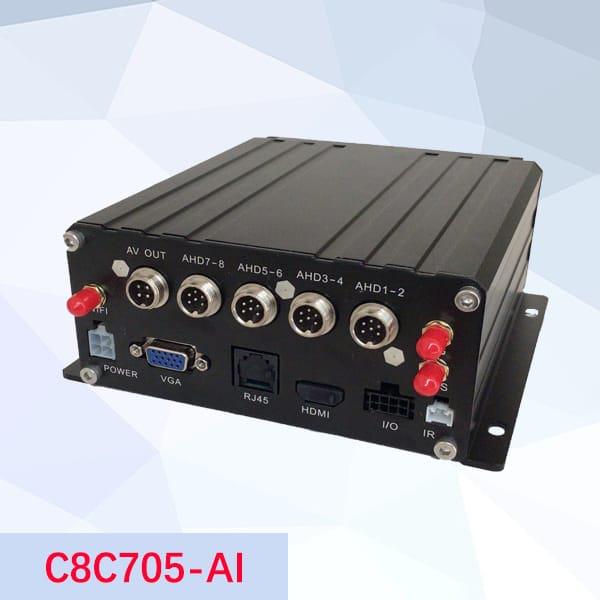
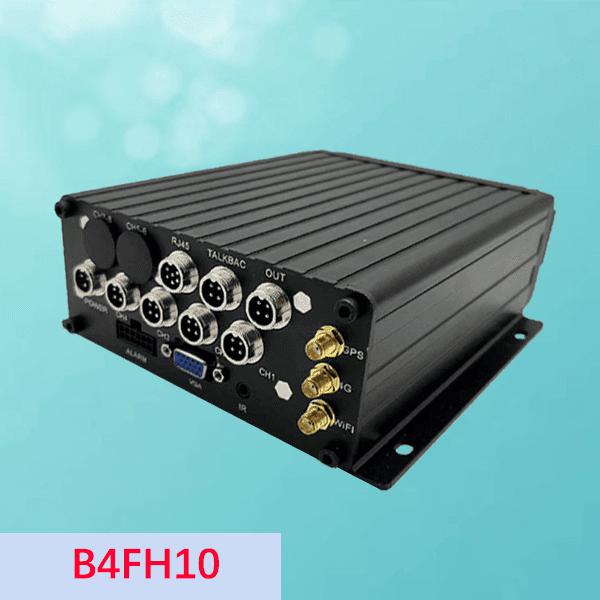
At MacFaith Co., Ltd., we manufacture and supply vehicle monitoring solutions built for exactly these demands, including hybrid mobile DVRs and AI-enabled AHD cameras that work together as one dependable system. We bring analog and IP channels into a single mobile DVR, and we design our recorders to keep working reliably even when a camera or connection has a bad moment.
If you want camera equipment that handles signal loss gracefully, talk to us about camera operation, mobile DVR integration and recording, and the DMS and ADAS features that support assistive driving. Schedule a consultation, and we will help you match the right cameras, cabling, and hybrid mobile DVR to your vehicles and routes.