

Picture a city bus at rush hour. Passengers press toward the doors; a cyclist cuts across the front bumper; and the driver brakes hard. In that one second, six or eight cameras all capture something worth keeping. A hybrid mobile DVR has to record every feed at the same time and still make sure the few seconds that matter most are easy to find afterward. Safety agencies take those seconds seriously because fatigue and sudden events contribute to commercial-vehicle crashes, as federal road-safety research documents.
What a Hybrid Mobile DVR Actually Is
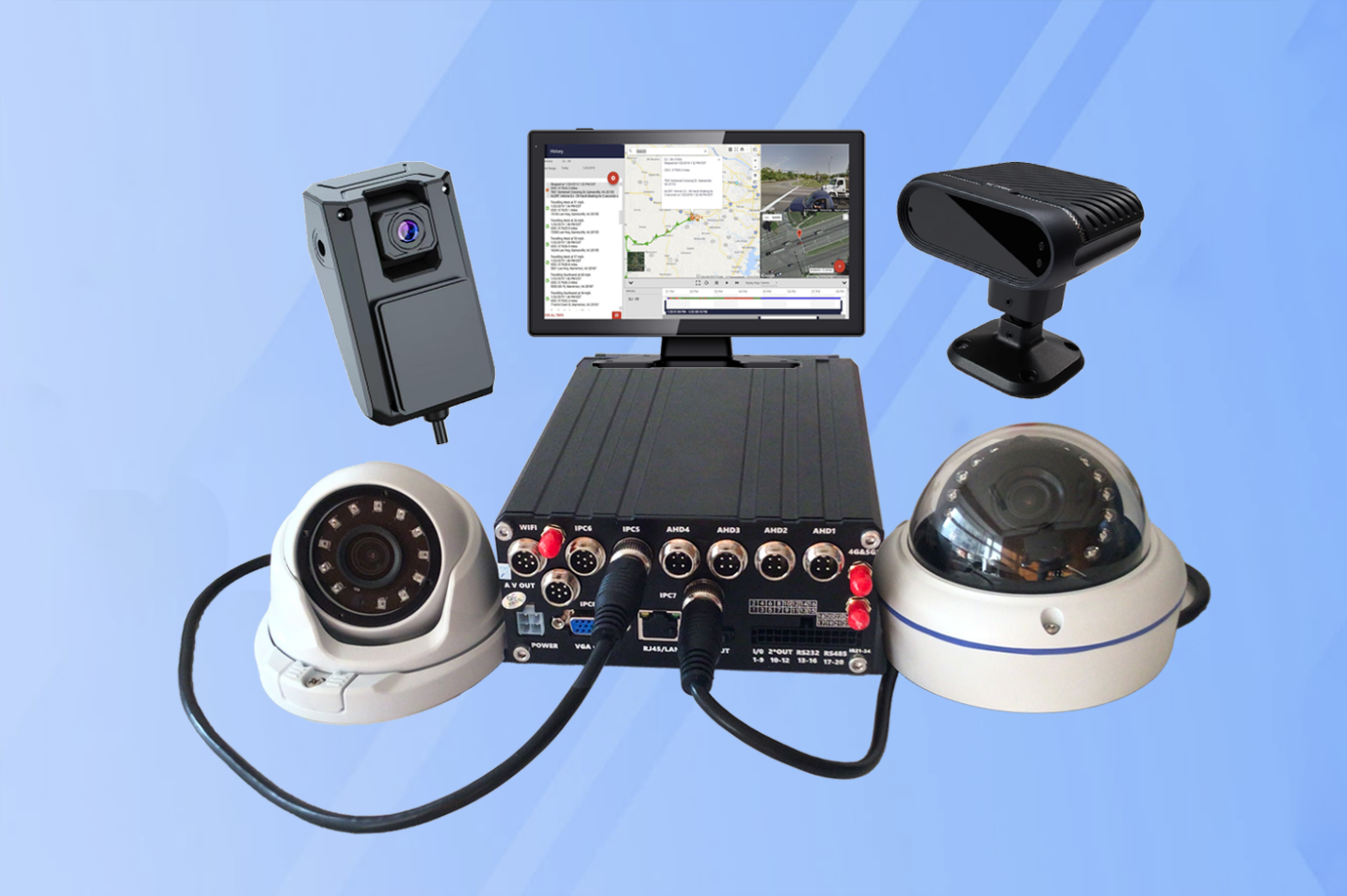
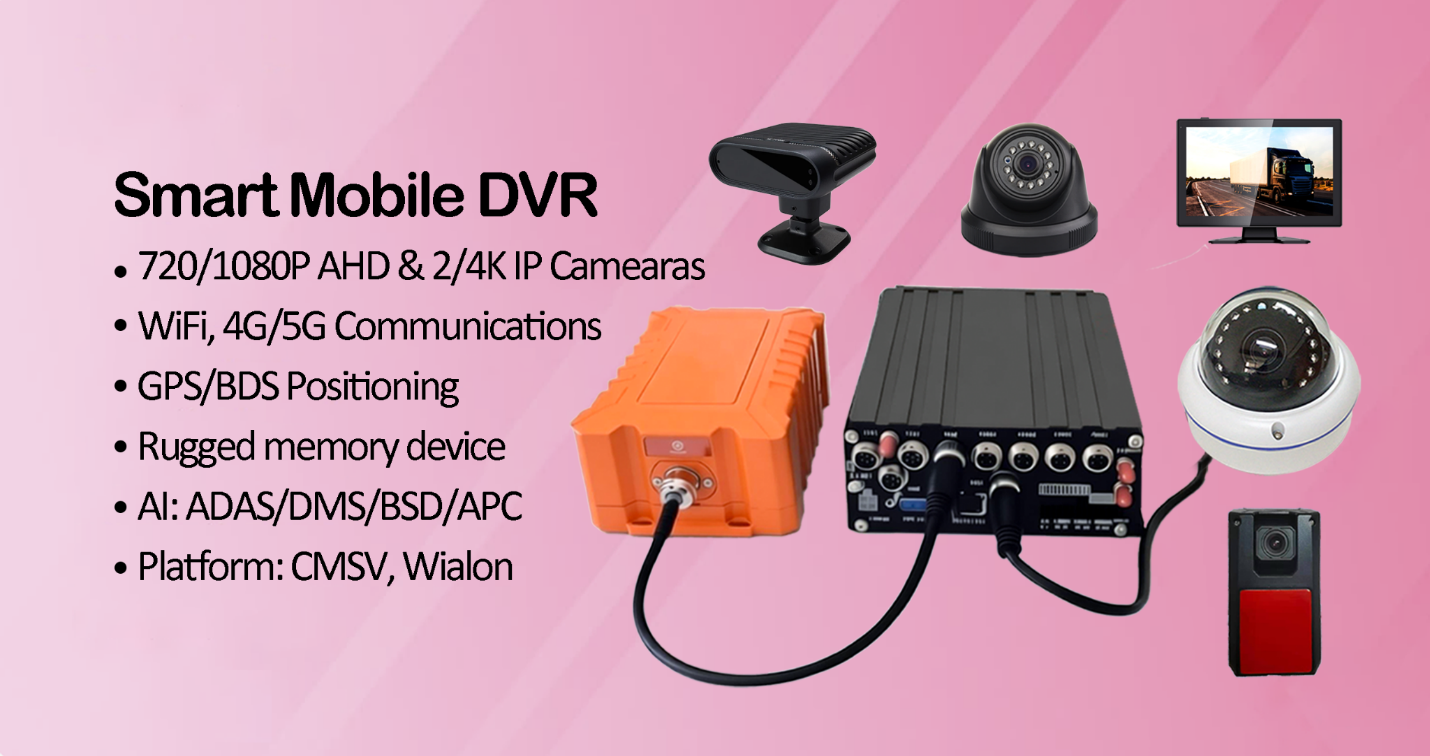
The concept behind a hybrid mobile DVR is refreshingly practical. A traditional recorder accepts only analog signals, but a hybrid unit runs analog AHD cameras and digital IP cameras on one host device. In a hectic moment, a single mobile DVR system may record standard cabin cameras alongside sharper IP cameras aimed at the road. The recorder treats each channel as its own live feed and writes all of them to onboard storage while the vehicle is moving, which is exactly when a fleet needs the coverage.
How the Recorder Decides What Is Critical
So how does the recorder know what counts as critical? It does not guess. The vehicle camera system with DVR watches for triggers. A hard brake shows up on the built-in G-sensor, a lane-departure alert comes from the advanced driver assistance system camera, and a sign of drowsiness comes from the DMS camera facing the driver. Each trigger tags the surrounding video as an event clip. That tag becomes the priority marker. Ordinary driving stays in normal recording, while flagged events jump to the front of the line for review and upload.
Fatigue shows why quick tagging matters. Surveys of commercial drivers connect drowsiness to a striking share of near-crashes, as NHTSA reports. When a driver-facing DMS camera spots heavy eyelids or a wandering gaze and flags the clip, a manager can step in before a shift ends in a collision. The value is not the raw video alone. It is the recorder knowing which clip deserves attention first.
Record Everything, Upload What Matters First
A useful design detail sits underneath all of this. Most units record two versions of every channel, a full-resolution copy kept on the card and a lighter copy for live viewing. When an event fires, the mobile DVR camera system streams the light copy over 4G so a manager can watch the moment almost live, then uploads the flagged high-resolution clip to the fleet platform. Everyday footage stays local until someone needs it. That keeps the mobile network focused on the clips that matter instead of pushing every feed at once.
When Every Camera Fires at Once
What about the busiest minutes, when several cameras detect activity together? Well-built commercial truck camera systems handle this by recording every channel to storage first, protecting the raw footage no matter what, then ranking event clips for upload by trigger type. A collision alarm outranks a routine motion alert, so the collision clip reaches the office sooner. The vehicle never stops recording during this, and nothing on the road slips away while the network catches up with the queue.
The reward arrives after an incident. When an insurer or a safety officer needs proof, the operator opens the flagged clip instead of scrubbing through hours of video. Regulators follow the same logic for transport recorders and require critical event data to survive and remain retrievable under federal recorder rules. A dependable vehicle black box DVR honors that same principle by keeping the important moments labeled, organized, and protected from being overwritten.
File name: mobile-dvr-road-view-adas-monitor.png
Alt text: Mobile DVR with dome cameras and a monitor showing a truck on the highway with a lane marker
Caption: The recorder captures the road-facing view, so a flagged event ties straight to what the driver saw.
https://macfaith.com/how-do-hybrid-mdvrs-handle-multi-protocol-camera-networks/
Turning Flagged Clips Into Evidence
Context is what turns footage into evidence. Because the recorder stamps every clip with the time and the GPS location, a reviewer can tie a flagged event to an exact point on the route. A vehicle surveillance system that syncs video with GPS lets a manager confirm where a near miss happened and how fast the vehicle was traveling. Platforms such as Wialon and BabelStar gather these clips and locations together, so flagged moments from an entire fleet appear in a single view rather than scattered across separate devices.
The Everyday Payoff for Fleets
Day to day, the same priority logic supports driver coaching. Instead of reviewing full shifts, a supervisor pulls the handful of tagged clips from each vehicle and reviews real moments with the driver. An in-vehicle camera monitoring system that surfaces harsh braking, tailgating, or distraction turns raw recordings into short, teachable examples. Over weeks, that habit tends to cut repeat events, which is the quiet payoff of a recorder that sorts the critical from the routine.
Picture quality is another angle worth noting, too. Running IP cameras alongside AHD cameras lets a fleet place high-resolution IP units where fine detail matters, such as a forward road view for reading plates, while keeping reliable analog cameras on interior and side positions. A vehicle camera system with a DVR that mixes both gives the recorder sharper source material to flag, so the critical clip a manager opens later is clear enough to settle a dispute.
Live Alerts and Pre-Event Recording
A small but clever detail is how event clips are cut. A recorder does not start filming only when the trigger fires, because the seconds just before a hard brake are often the most telling. Instead, the mobile DVR system is always holding a short rolling window, so a flagged clip includes a few seconds before and after the event. That is why reviewing a near miss shows the lead-up, not just the impact, giving a fuller picture of what the driver faced.
Priority is not only about the archive. When a serious alarm fires, a good platform can push a live alert to a dispatcher immediately. Hence, a vehicle surveillance system becomes an early-warning tool rather than a record checked after the fact. A supervisor watching a flagged feed can call a driver who looks drowsy or reroute a vehicle heading into trouble. Sorting the critical from the routine is what makes that kind of timely response realistic across a large fleet.
Where MacFaith Co., Ltd. Fits In
At MacFaith Co., Ltd., this is the kind of work we were built for. Based in China, we have manufactured and supplied vehicle monitoring systems since 2011 for fleets in North America, the Middle East, Europe, and beyond. Our commercial vehicle DVRs combine analog and IP channels with ADAS and DMS options, while our vehicle security cameras cover the cabin and the road in daylight and at night. Browse our wider vehicle surveillance range to see how the pieces fit a specific vehicle type.
Ready to put this into practice? At MacFaith Co., Ltd., we design each mobile DVR system around what your drivers actually meet on the road. We fit the car cameras and walk you through how each one operates; we connect those cameras to a DVR that records, tags, and uploads the footage as one integrated unit; and we add DMS and ADAS cameras so the system warns drivers and supports safer decisions in the moment. Tell us about your vehicles and speak with our team about the right hybrid setup for your fleet.