
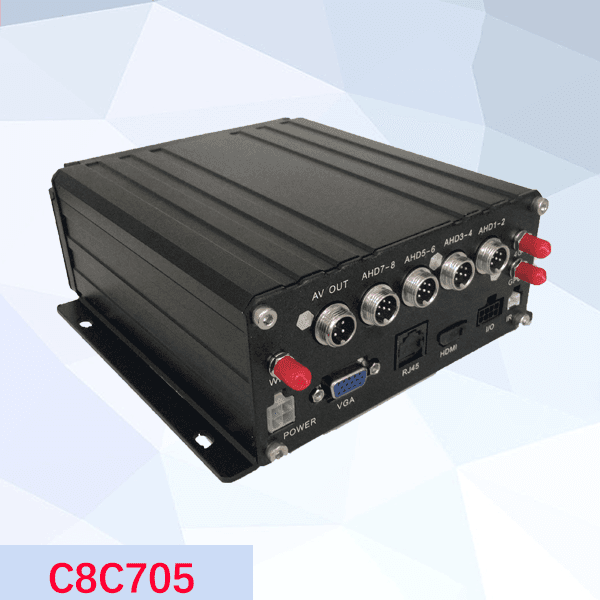
Modern vehicle surveillance systems are no longer limited to post-incident review. As fleets become more connected and safety expectations increase, live visibility into vehicle operations has become essential. Whether monitoring driving behavior, responding to incidents, or supporting operational oversight, immediate access to live video plays a central role in today’s intelligent transport systems.
At the core of this evolution is real-time vehicle monitoring, enabled by low-latency streaming protocols that transmit live video from in-vehicle cameras to mobile devices, control rooms, or cloud platforms with minimal delay. This article explores how protocols such as RTSP, WebRTC, and related streaming technologies work within mobile DVR-based systems to deliver near-instant video in demanding vehicle environments.
Why Low Latency Is Critical in Vehicle Video Systems
Latency refers to the delay between video capture and video display. In vehicle surveillance, even a few seconds of delay can reduce situational awareness and limit the usefulness of live video feeds.
Low latency is especially important for:
- Monitoring risky driving behavior as it occurs
- Responding immediately to accidents or emergency events
- Supporting real-time decision-making for fleet operators
- Enhancing driver safety and operational accountability
Without optimized streaming, real-time vehicle monitoring becomes reactive, forcing operators to rely on recorded footage rather than live insight.
Mobile DVRs as the Core of Live Streaming Architecture
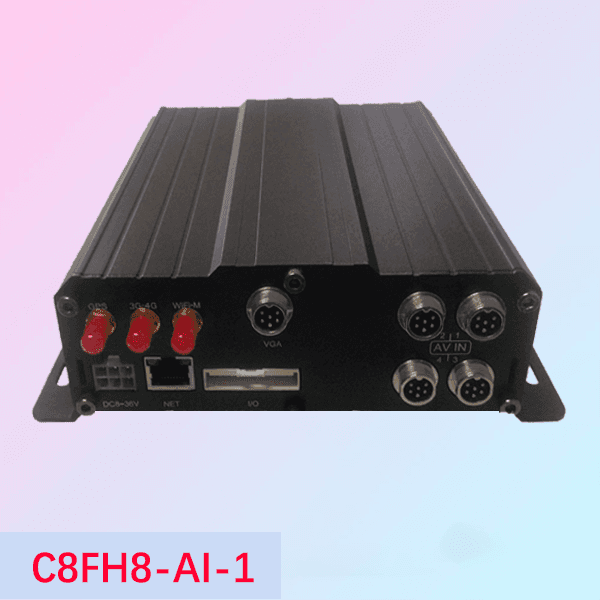
In vehicle surveillance systems, the mobile DVR acts as the central processing and transmission hub. Cameras continuously send video data to the DVR, which handles encoding, compression, synchronization, and streaming.
The mobile DVR is responsible for:
- Managing multiple camera inputs
- Encoding video into network-ready formats
- Adapting streams to available bandwidth
- Routing live video to mobile, web, or cloud endpoints
By centralizing these tasks, the DVR ensures that real-time vehicle monitoring remains consistent across all cameras and operating conditions.
RTSP: The Backbone of Live Surveillance Streaming
Real-Time Streaming Protocol (RTSP) is one of the most established technologies in surveillance systems. RTSP controls how media streams are delivered, allowing remote users to initiate and manage live video sessions from the mobile DVR.
Key benefits of RTSP include:
- Broad compatibility with DVR platforms
- Stable session-based streaming
- Efficient delivery for continuous video feeds
In vehicle environments, RTSP is commonly used for live viewing through fleet management software or monitoring dashboards. While RTSP offers reliability, its latency can fluctuate depending on buffering and network conditions, making system-level optimization critical for effective real-time vehicle monitoring.
WebRTC: Enabling Near-Instant Live Video
WebRTC has gained traction in applications where ultra-low latency is essential. Unlike traditional streaming protocols, WebRTC minimizes buffering and supports peer-to-peer communication, resulting in near-instant video delivery.
Advantages of WebRTC include:
- Sub-second latency
- Automatic adaptation to changing networks
- Built-in encryption and secure transmission
When integrated into mobile DVR platforms, WebRTC allows real-time vehicle monitoring to function almost instantaneously, making it ideal for safety-critical use cases such as incident response, live driver supervision, and remote vehicle diagnostics.
RTP and Supporting Transport Protocols
RTSP and WebRTC often rely on Real-Time Transport Protocol (RTP) to carry video and audio streams. RTP enables efficient packet delivery while maintaining timing accuracy, which is essential for synchronized playback.
In mobile surveillance systems, RTP supports:
- Time-sensitive video transmission
- Reduced jitter and packet loss handling
- Synchronized multi-camera streaming
These capabilities help maintain video clarity and continuity, strengthening real-time vehicle monitoring in motion-based environments.
Network Challenges in Mobile Streaming
Streaming live video from moving vehicles introduces unique challenges not found in fixed surveillance systems. Vehicles frequently encounter:
- Fluctuating cellular signal strength
- Bandwidth drops during network handovers
- Latency spikes in congested areas
Mobile DVRs mitigate these challenges through adaptive bitrate control, intelligent buffering strategies, and dynamic protocol adjustment. These features allow real-time vehicle monitoring to remain functional even when network conditions change rapidly.
Synchronization Across Multiple Camera Feeds
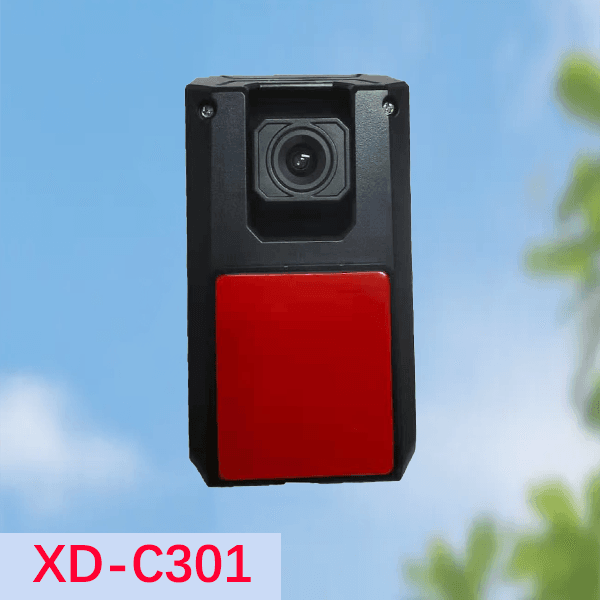
Most vehicle surveillance systems deploy multiple cameras covering the front, rear, cabin, and side views. Live streaming must maintain synchronization across all feeds to provide accurate situational awareness.
Mobile DVRs coordinate timestamps, encoding cycles, and transmission schedules to ensure aligned playback. This system-level coordination prevents fragmented or delayed views and ensures that real-time vehicle monitoring delivers coherent, multi-angle visibility.
Security Considerations in Live Vehicle Streaming
Live video transmission must be protected from unauthorized access, interception, and tampering. Low-latency streaming protocols incorporate several security measures to protect sensitive data.
These typically include:
- Encrypted data streams
- Secure session authentication
- Controlled access permissions
By combining secure streaming protocols with DVR-level access control, real-time vehicle monitoring remains both responsive and protected.
Integration with Intelligent Vehicle Features
Live streaming is most effective when paired with intelligent vehicle surveillance features. Mobile DVRs enable real-time video to function alongside:
- ADAS alerts for collision risk and lane deviation
- DMS indicators for fatigue and distraction
- Event-triggered recording for incidents
This integration transforms real-time vehicle monitoring into a context-aware system, allowing operators to understand not just what is happening, but why it is happening.
Cloud and Mobile Platform Connectivity
Low-latency streaming protocols allow live vehicle video to be accessed across multiple platforms. Fleet managers may view live feeds on mobile apps, web dashboards, or centralized monitoring centers.
Mobile DVRs manage stream routing and access permissions, ensuring scalable distribution without excessive bandwidth use. This flexibility supports real-time vehicle monitoring across small fleets and large, geographically distributed operations.
Scalability for Growing Fleet Operations
As fleet sizes increase, streaming systems must scale without compromising performance. Low-latency protocols enable multiple simultaneous live streams while maintaining acceptable delay levels.
Scalable mobile DVR architectures ensure that real-time vehicle monitoring remains reliable, even when hundreds or thousands of vehicles are connected to a central system.
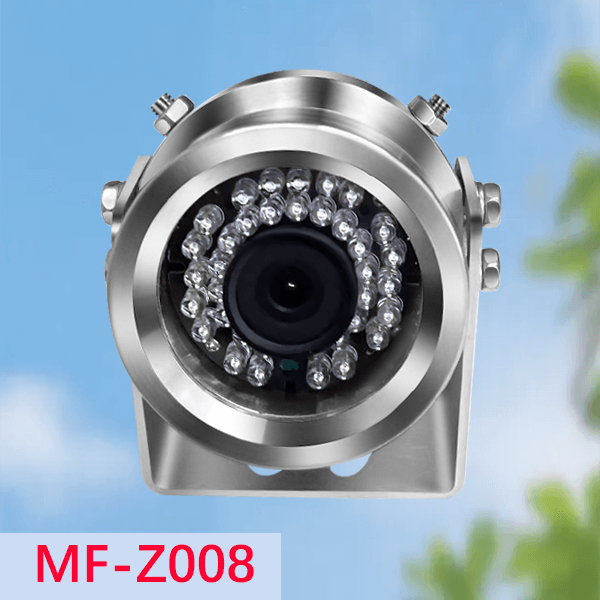
At MacFaith Co., Ltd., we design advanced real-time vehicle monitoring solutions built around high-performance mobile DVR and camera systems. Our vehicle surveillance systems combine mobile DVRs, AI-enabled cameras, rugged memory devices, and intelligent features such as ADAS and DMS to deliver secure, low-latency live streaming. By integrating reliable streaming protocols with centralized DVR control, we provide complete vehicle surveillance solutions that support safety, visibility, and operational efficiency. Moreover, we have introduced hybrid mobile DVR systems for enhanced vehicle surveillance.
Get in touch with us for more information.