
Vehicles operate in dynamic and often unpredictable environments. Uneven roads, potholes, sudden braking, engine vibrations, and harsh driving conditions can all compromise video quality. In vehicle surveillance systems, maintaining clear and usable footage under these conditions is crucial for ensuring safety, accountability, and effective incident analysis.
This is where advanced stabilization technologies play a vital role. Modern dashcam recordings rely on gyroscopic stabilization and digital vibration-reduction algorithms to minimize motion blur and frame distortion. These technologies ensure that footage remains clear and reliable, even when vehicles are exposed to continuous movement and mechanical vibration.
Why Vibration Is a Major Challenge for Dashcams
Unlike fixed surveillance cameras, dashcams are installed on moving vehicles that are constantly exposed to mechanical stress. Vibrations can originate from multiple sources, including:
- Road surface irregularities
- Engine and drivetrain operation
- Suspension movement
- Sudden acceleration or braking
Without proper compensation, these vibrations cause blurred frames, unstable footage, and reduced image clarity. Poor-quality dashcam recordings can make it difficult to identify critical details such as vehicle movement, surrounding traffic, or road conditions.
Understanding Motion Blur in Vehicle Video
Motion blur occurs when the camera sensor captures movement during exposure. In vibrating environments, even minor oscillations can affect sharpness, especially during low-light conditions where exposure times are longer.
In vehicle surveillance, motion blur impacts:
- Incident documentation accuracy
- License plate and object visibility
- Driver behavior analysis
- Legal and insurance evidence reliability
Advanced stabilization systems are essential to ensure dashcam recordings remain usable under these demanding conditions.
Gyroscopic Stabilization: Measuring Motion in Real Time
Gyroscopic stabilization is one of the most effective technologies used to counteract vibration. Gyroscopes embedded within the camera or DVR system continuously measure angular movement along multiple axes.
These sensors detect:
- Vertical and horizontal vibration
- Sudden jolts from road impacts
- Continuous oscillations from engine activity
By identifying motion patterns in real-time, the system provides data that enables stabilization algorithms to compensate for movement before it degrades dashcam recordings.
Digital Stabilization Algorithms
While gyroscopes detect motion, digital algorithms perform the correction. These algorithms analyze each frame and adjust image alignment dynamically to counteract detected movement.
Digital stabilization works by:
- Shifting frames to offset vibration
- Cropping and re-centering video content
- Aligning sequential frames for visual continuity
This process reduces visible shake without altering the physical position of the camera. As a result, dashcam recordings remain steady even on rough terrain.
The Role of the Mobile DVR in Stabilization
In professional vehicle surveillance systems, stabilization is not handled by the camera alone. Centralized processing through a mobile DVR enhances vibration reduction performance.
The mobile DVR:
- Receives continuous video streams from cameras
- Applies stabilization algorithms consistently
- Synchronizes correction across multiple channels
By acting as the processing host, the DVR ensures uniform stabilization across all connected cameras, preserving the integrity of dashcam recordings throughout the system.
Multi-Camera Stability and Synchronization
Many vehicles use multiple dashcams to capture front, rear, and cabin views. Vibration affects each camera differently, depending on mounting position and vehicle structure.
Centralized stabilization ensures:
- Consistent image correction across cameras
- Synchronized playback during review
- Reduced frame mismatch and jitter
This coordinated approach enhances overall system reliability and improves the value of dashcam recordings for operational analysis.
Performance in Challenging Road Conditions
Stabilization technologies are especially critical in environments such as:
- Construction zones
- Rural or uneven roads
- Heavy commercial vehicle routes
- Off-road or industrial settings
In these scenarios, constant vibration would otherwise degrade footage quality. Advanced anti-shake systems allow dashcam recordings to remain clear and interpretable, regardless of terrain.
Low-Light Conditions and Vibration Control
Vibration-related blur is amplified in low-light conditions, where cameras rely on longer exposure times. Without stabilization, nighttime or tunnel footage becomes especially vulnerable to distortion.
Gyroscopic and digital stabilization help counteract this by maintaining frame alignment, ensuring that dashcam recordings retain clarity even when lighting conditions are less than ideal.
Impact on Incident Review and Evidence Quality
Clear video is essential for accurate incident reconstruction. Stabilized dashcam recordings make it easier to:
- Identify vehicle movement patterns
- Analyze braking and acceleration behavior
- Verify driver actions during incidents
Reduced shake improves credibility and usability of recorded footage, especially in compliance, insurance, and dispute resolution contexts.
Reducing Driver Fatigue During Monitoring
Unstable video is not only difficult to analyze but also visually fatiguing. For fleet operators who regularly review footage, excessive camera shake increases eye strain and slows analysis.
Stable dashcam recordings improve viewing comfort and efficiency, allowing faster assessments without compromising accuracy. This visual stability also supports longer review sessions, reduces cognitive load on operators, improves focus on critical details, and enables more consistent evaluation standards across teams, especially when monitoring large fleets that generate extensive daily footage requiring routine review and comparison over time without sacrificing accuracy or operational efficiency levels.
Integration with Intelligent Vehicle Features
Anti-shake technology works most effectively when combined with intelligent surveillance features. Stabilized video enhances the accuracy of:
- Driver monitoring systems
- Advanced driver assistance alerts
- Event-triggered recording
Clear dashcam recordings ensure that AI-based systems operate on reliable visual data, improving overall system performance.
Long-Term Reliability in Commercial Fleets
Commercial vehicles operate continuously and often in harsh environments. Over time, vibration can affect mounting stability and video consistency.
Advanced stabilization algorithms adapt dynamically, ensuring dashcam recordings remain stable throughout the operational lifespan of the system, reducing maintenance needs and preserving long-term value.
This adaptability minimizes recalibration requirements, protects image alignment despite mechanical wear, and ensures consistent footage quality across years of operation, helping vehicle solution agencies maintain reliable surveillance performance while lowering service downtime, replacement frequency, and total cost of ownership for large-scale commercial deployments in demanding transportation and logistics environments worldwide.
Future Developments in Dashcam Stabilization
As vehicle surveillance technology evolves, stabilization systems are becoming more intelligent. Future advancements include:
- AI-driven motion prediction
- Enhanced sensor fusion
- Smarter frame reconstruction
These developments will further improve the clarity and reliability of dashcam recordings under extreme conditions.
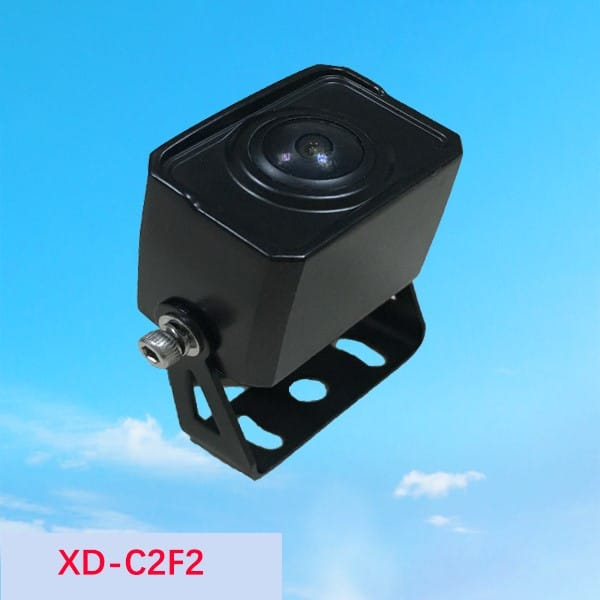
At MacFaith Co., Ltd., we design vehicle surveillance systems that deliver clear, reliable dashcam recordings even in high-vibration environments. By combining advanced cameras, mobile DVR platforms, rugged memory devices, and intelligent features such as ADAS and DMS, we provide complete vehicle surveillance solutions. Our systems are engineered to reduce motion blur, improve video stability, and support dependable monitoring across commercial and fleet vehicles. We also offer hybrid mobile car DVRs for maximum surveillance.
Contact us now.