
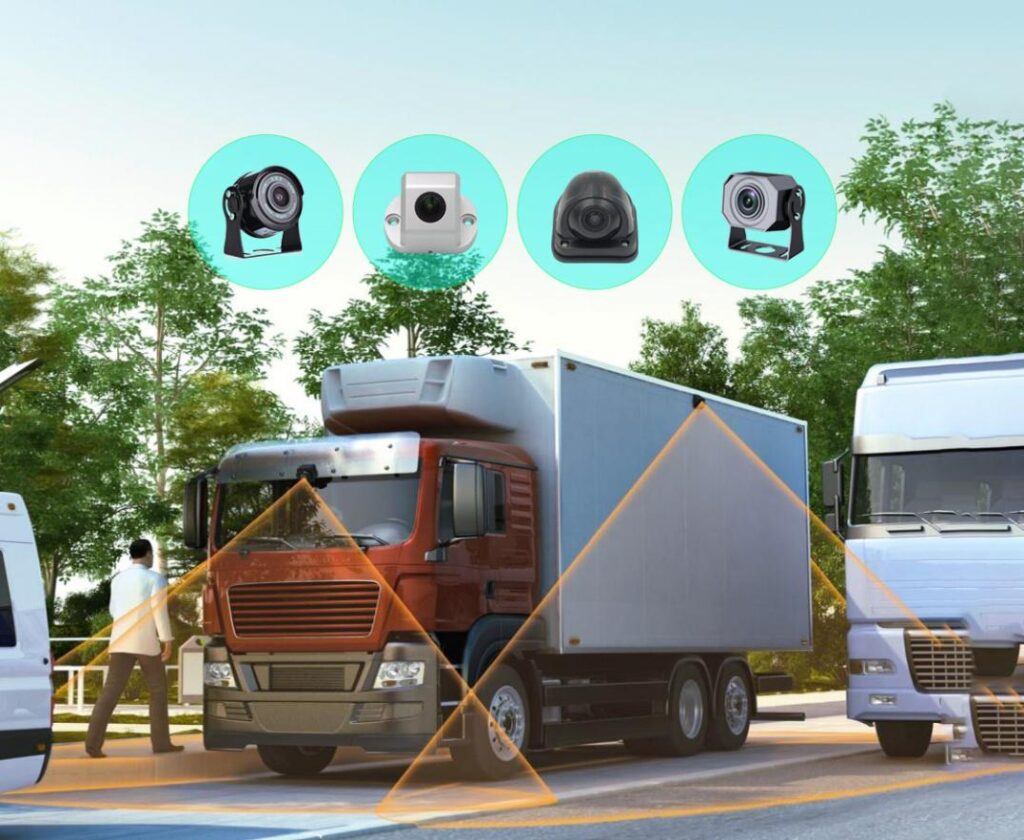
A lane departure warning that fires a moment too late, or an object alert that misjudges distance, can quietly erode a driver’s trust in the technology meant to protect them. Often, the culprit is not the software but the camera’s aim. When a camera sits even slightly off its intended position, the AI reading its images starts from a flawed picture of the world. This is why vehicle camera calibration matters, and why it deserves attention every time a camera is fitted or disturbed. The process rests on well-understood camera calibration principles used across computer vision.
Calibration teaches a system exactly how a camera sees. It captures two kinds of information: the camera’s internal characteristics, such as focal length and lens distortion, and its external position, meaning where the camera sits and which way it points on the vehicle. For AI-enabled AHD cameras that feed driver assistance features, both sets of values must be right. Get them wrong, and every measurement the AI makes inherits the error. Accurate vehicle camera calibration gives the software a truthful starting point.
Two Sides of Calibration: Inside and Out
It is worth separating the two halves of the job. The internal side, sometimes called intrinsic calibration, deals with the camera itself: its focal length, optical center, and how its lens bends light. The external side, or extrinsic calibration, deals with the camera’s place on the vehicle: its height, angle, and direction. AI features need both to be correct, because a perfect lens aimed at the wrong angle is as misleading as a well-aimed camera with uncorrected distortion. Thorough vehicle camera calibration answers both questions before you trust AI-enabled AHD cameras to make decisions.
Why AI Detection Depends on Precise Alignment
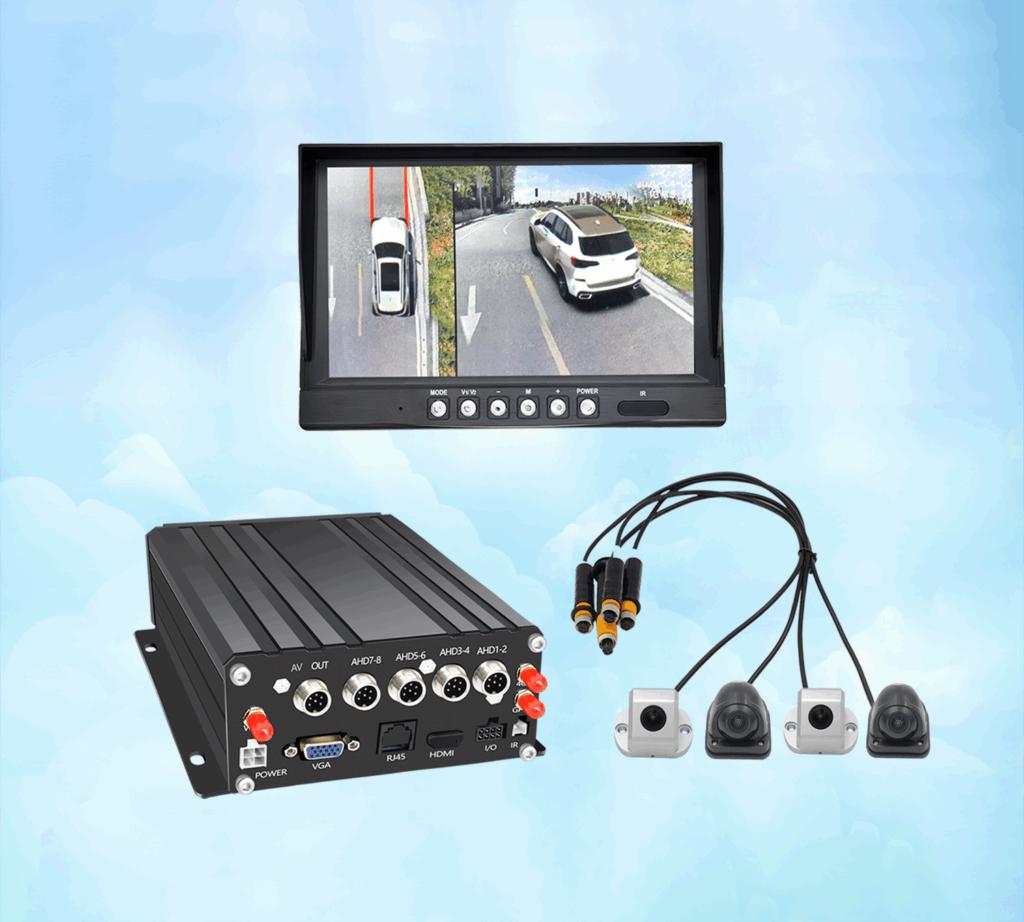
AI detection works by mapping what it sees in an image onto real positions in the world. A lane-keeping feature must know where the road lines sit relative to the vehicle, and an object detector must judge how far away a pedestrian is. Those judgments rely on the camera being exactly where the software thinks it is. As safety bodies point out, a sensor aimed off by a fraction of a degree can be pointing well off target far down the road. Sound vehicle camera calibration keeps that aim honest, so a vehicle surveillance system and its assistance features act on reality rather than a skewed version of it.
What Misalignment Does to Accuracy
Even small errors compound. A camera tilted slightly downward may see the road as closer than it really is, causing a lane system to misjudge position or an alert to trigger early or late. Uncorrected lens distortion bends straight lines near the edges of the frame, which can confuse object recognition. Because ADAS and DMS features each process their own camera’s feed, a fault in one camera’s calibration degrades that specific function while leaving the others untouched. That is why vehicle camera calibration is checked per camera, not just once for the whole vehicle.
The AI Cannot Tell When a Camera Has Moved
It helps to remember that the AI itself has no way of knowing when a camera has shifted. The software assumes the geometry it was given is still true and keeps making confident decisions on that basis. It does not feel the drift; it simply produces wrong answers with the same certainty as right ones. That is why people and processes must maintain vehicle camera calibration, not leave it to the system to notice, since a mobile DVR and its AI features will trust bad geometry as readily as good.
Static and Dynamic Calibration
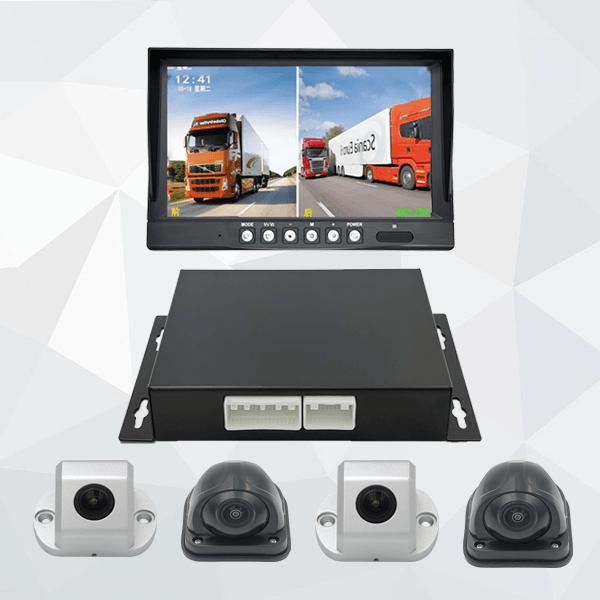
There are two main calibration methods. Static calibration happens in a controlled space, where the camera views precisely placed targets and the system learns its exact geometry from them. Dynamic calibration happens on the road, where the vehicle drives under set conditions and the system refines its values from real scenes. Some setups use one method; others use both. Whichever applies, the aim is the same: a vehicle camera calibration result that leaves each camera confidently aligned before the vehicle carries passengers or cargo. Skip the step and the AI-enabled AHD cameras are left guessing.
When Recalibration Becomes Necessary
Calibration is not a one-time task, because anything that moves a camera can undo it. A windshield replacement shifts a windscreen-mounted camera, a collision can knock a unit out of alignment, and suspension or wheel work changes how the vehicle sits on the road. Even routine maintenance can disturb a mount. This is why fitting or servicing ADAS cameras should always include a calibration check. A fleet that treats vehicle camera calibration as part of its maintenance routine keeps its driver assistance systems working as designed rather than slowly drifting out of true.
A Small Shift, a Big Difference
Consider a delivery van that has just had its windshield replaced. The glass is new, the camera is back in its bracket, and everything looks normal, but the camera now sits a couple of degrees off its old position. Without vehicle camera calibration, the lane-keeping feature slowly nudges the van off center, and the driver, sensing something is wrong, switches the system off. A quick calibration after the glass work would have prevented it all. This is how a tiny, invisible shift quietly defeats an otherwise excellent vehicle surveillance system.
Calibration Across a Whole Fleet
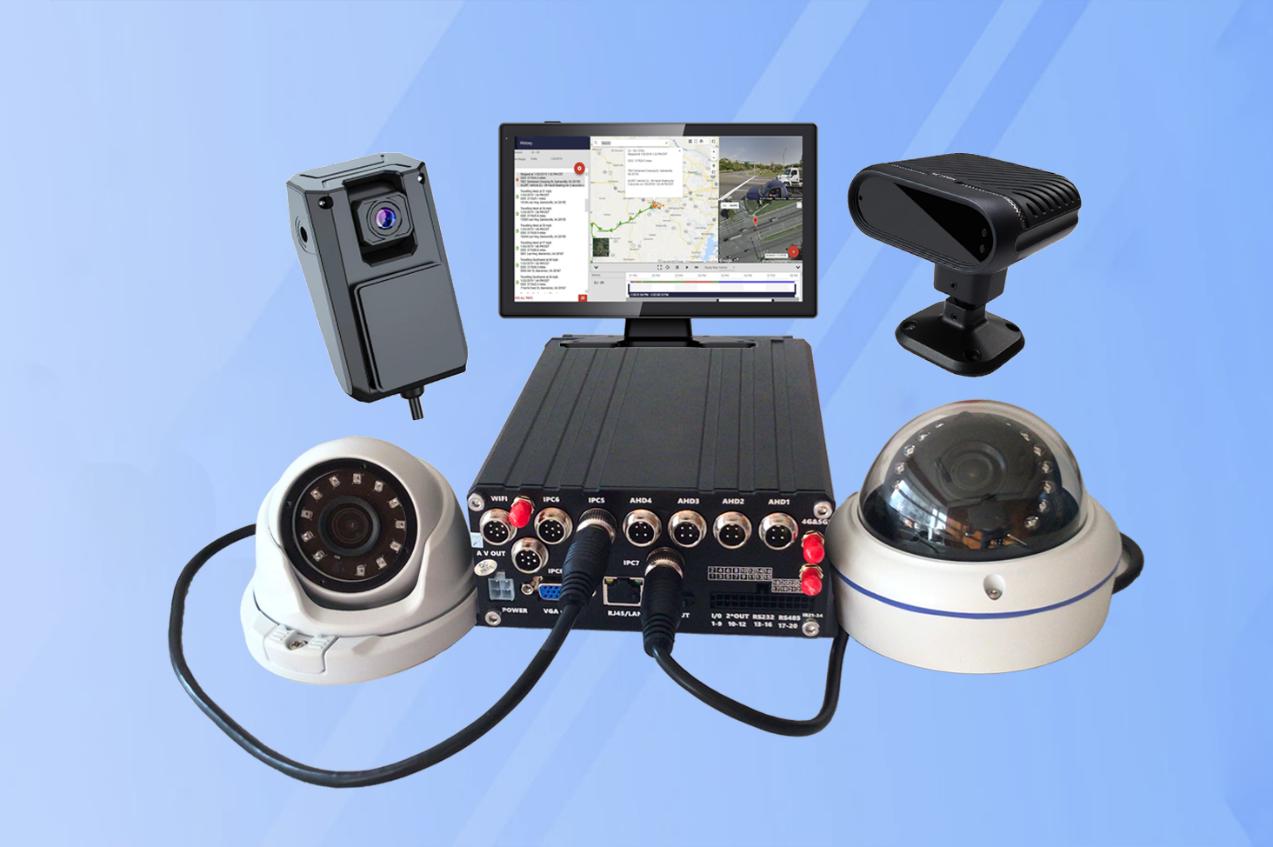
For a single car, calibration is a garage task. Across a fleet of vans, trucks, or buses, it becomes a discipline. Vehicles come back from repairs, cameras get swapped, and mounts loosen over thousands of miles. Keeping records of when each vehicle camera or surround-view system was last calibrated, and rechecking after any relevant work, keeps AI performance consistent from one vehicle to the next. Consistent vehicle camera calibration also keeps data across the fleet comparable, which matters when managers use camera-driven insights to guide training and safety decisions.
Getting the Most From Assistance Features
Calibration is quiet work, but it is what lets the visible features shine. Well-calibrated AI-enabled AHD cameras give lane detection, object recognition, and driver monitoring the clean, correctly framed input they need to perform. When accuracy holds steady, drivers trust the alerts, respond to them, and gain the safety the system was bought to deliver. When calibration slips, false alarms and missed detections teach drivers to ignore the very features meant to help. In that sense, vehicle camera calibration is not a technical footnote; it is the foundation of dependable assistance.
Keep a Record of Every Calibration
Because calibration can be disturbed so easily, keeping a clear record of it pays off. Noting when each camera was last calibrated, and after which repair, means a fleet can spot a vehicle that is overdue before its detection quietly degrades. It also helps when questions arise later, since a documented vehicle camera calibration history shows the surveillance system was maintained properly. Treating that record as seriously as the calibration itself is what keeps a large fleet consistent over time.
How MacFaith Co., Ltd. Can Help
At MacFaith Co., Ltd., we manufacture and supply vehicle monitoring solutions, including AI-enabled AHD cameras and mobile DVRs that support intelligent features such as DMS and ADAS. We know these features are only as good as the vehicle camera calibration behind them, so we build our cameras and recorders to fit cleanly and maintain alignment on working vehicles.
If you run multi-camera systems and want dependable detection, talk to us about camera operation, mobile DVR integration and recording, and the DMS and ADAS technologies that support assistive driving. Get in touch, and we will help you plan a vehicle surveillance system that stays accurate mile after mile.