
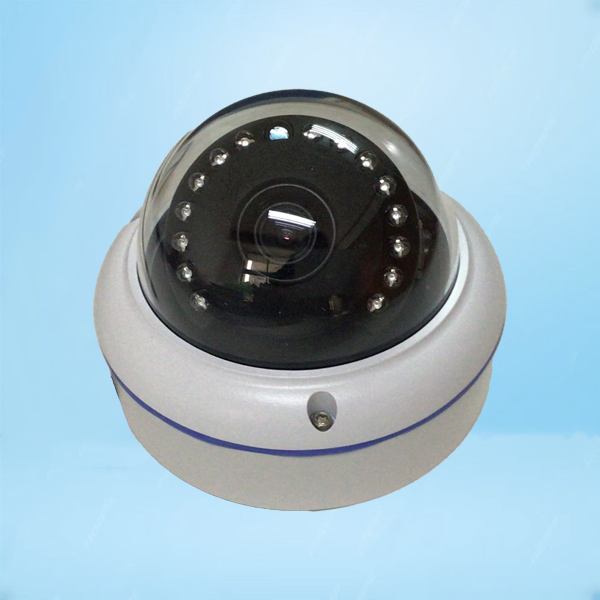
Rolling out cameras across a fleet of fifty buses sounds simple until a technician is standing in the depot at 6 a.m. with a box of cameras and a tight schedule. This is where hybrid MDVR deployment either goes smoothly or turns into a long day. The difference usually comes down to one feature that rarely gets attention: the recorder’s ability to find and identify the cameras connected to it. Modern IP cameras rely on an open industry standard called ONVIF to make that possible, as outlined in ONVIF’s technical documentation.
What Dynamic Camera Discovery Means
Dynamic camera discovery means the recorder detects each connected camera and identifies it, rather than requiring an installer to enter every setting by hand. On the digital side, IP cameras announce themselves on the network, so a mobile NVR system can list them and pull them in. On the analog side, a hybrid unit reads the signal on each input and recognizes the resolution of the AHD cameras plugged into it. Together, the recorder builds a live map of the cameras it manages.
Why Discovery Matters Across a Whole Fleet
Why does this matter so much during a hybrid MDVR deployment? Multiply one vehicle by an entire fleet. If a technician must configure every channel manually on every vehicle, small mistakes pile up, and no two installs look alike. When the vehicle camera system with DVR discovers and maps cameras automatically, each vehicle is set up the same way in a fraction of the time. The ONVIF profiles that define this behavior are published openly in the ONVIF specifications, which is why cameras and recorders from different lines can still communicate.
Discovery is about more than convenience. A recorder that identifies its cameras can also flag when one drops off the network, which is the first sign of a fault or tampering. In a vehicle surveillance solution spread across dozens of vehicles, knowing that all channels are present and reporting is genuinely useful. The operator learns about a dead camera from the dashboard instead of discovering a blank screen after an incident.
Mixing Analog and IP Without Starting Over
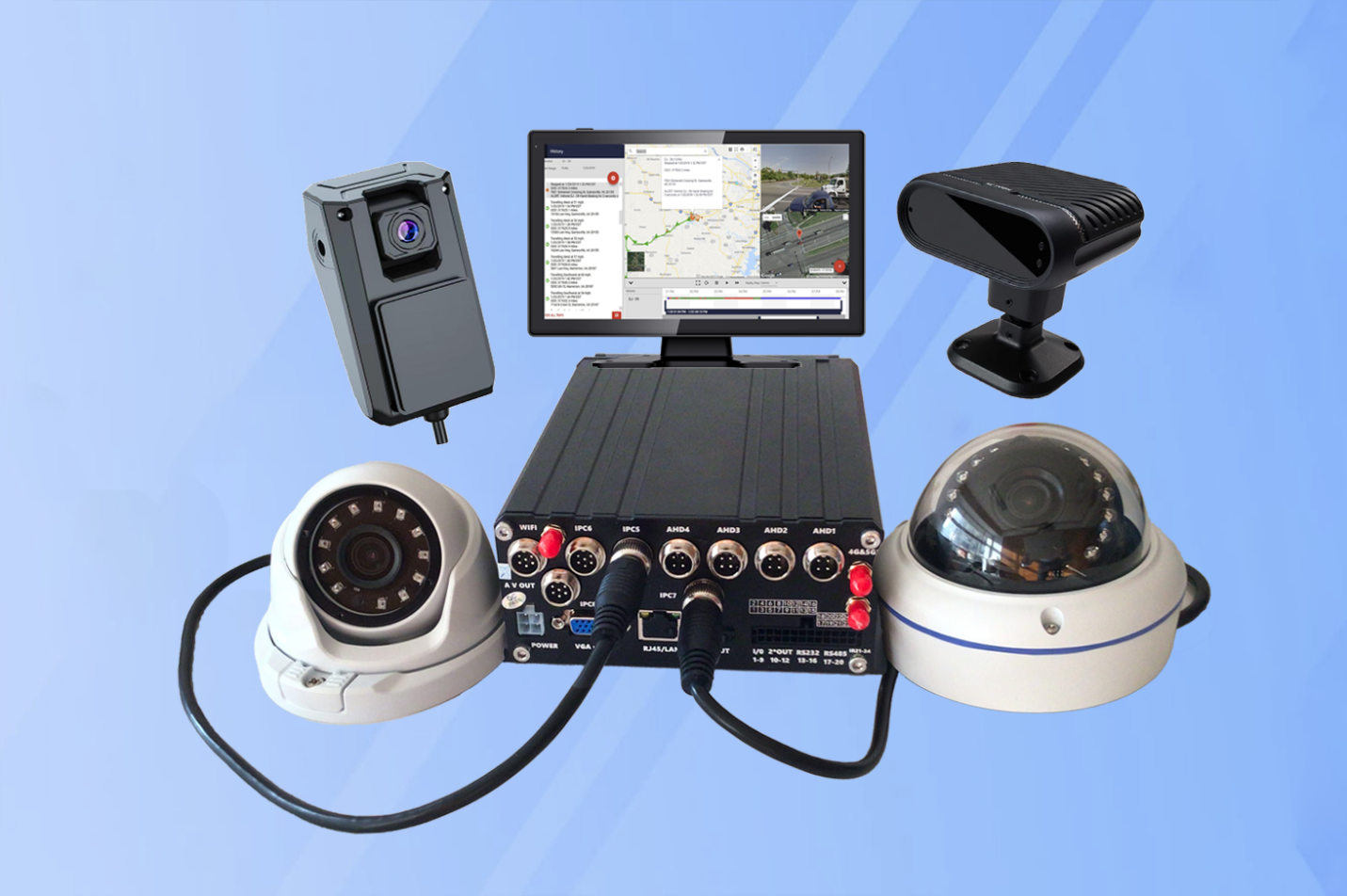
Discovery also solves a real budget problem. Many fleets already run analog cameras that still work perfectly well. A hybrid recorder lets an operator keep those AHD cameras in place and add new IP cameras only where sharper detail is needed, all on the same device. Because the network video recorder (NVR) side and the analog side are both detected automatically, the mixed set comes online without a rebuild. Nobody has to rip out good hardware to modernize, which keeps the upgrade affordable.
The same feature pays off long after the first install. Cameras get damaged, vehicles get repurposed, and better models arrive every year. When you swap a camera, the recorder re-detects the new unit and slots it into the existing layout. A mobile DVR system that adapts like this means a five-year fleet plan does not depend on the exact camera model bought on day one. Upgrades become a swap, not a project.
The Standard That Makes It Work: ONVIF
Interoperability standards are the quiet heroes here. ONVIF began in 2008 and has grown into the most widely used interoperability standard in video surveillance. For a fleet, that maturity means a hybrid MDVR is less likely to get stuck with a single camera brand. An operator can shop on price and features, knowing the recorder can discover and run compliant cameras from more than one source.
One Recorder for Every Vehicle Type
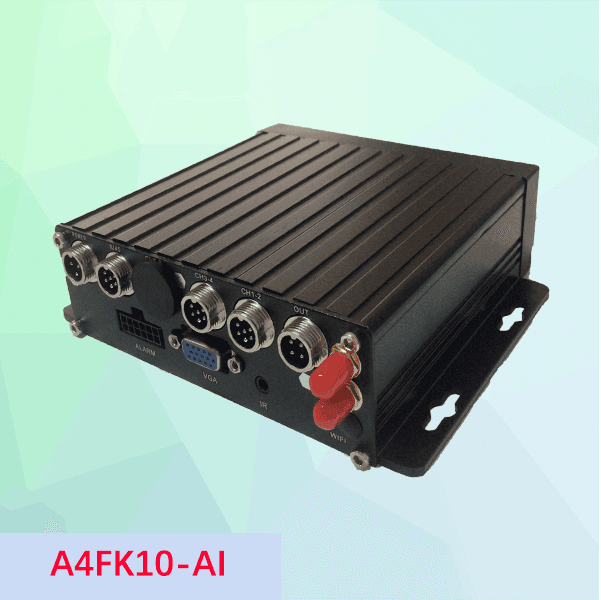
Retrofits show the benefit clearly. Suppose a refrigerated-truck operator wants to add a rear IP camera to trucks that already carry analog units. The hybrid recorder detects the new camera, adds it to the layout, and keeps the existing feeds untouched. A mobile NVR system that handles the IP side and analog inputs at once means the retrofit can take minutes per vehicle instead of requiring a full workshop visit.
Consider a mixed operation with city buses and a few taxis. The buses may need several interior vehicle security cameras plus a road-facing IP camera, while a taxi needs a compact set. With discovery doing the heavy lifting, the same recorder model handles both, and a technician moves from vehicle to vehicle without relearning the setup each time. Larger commercial truck camera systems follow the same pattern, only with more channels per vehicle.
Consistency has a safety benefit too. When every auto DVR camera system in the fleet is mapped the same way, a manager reviewing footage always knows which channel shows the forward road view and which covers the door. No one has to guess during an urgent review. A predictable in-vehicle camera monitoring system layout, created automatically during installation, is one less thing to worry about when an incident report is due.
Faster Installs and a Lower Skill Barrier
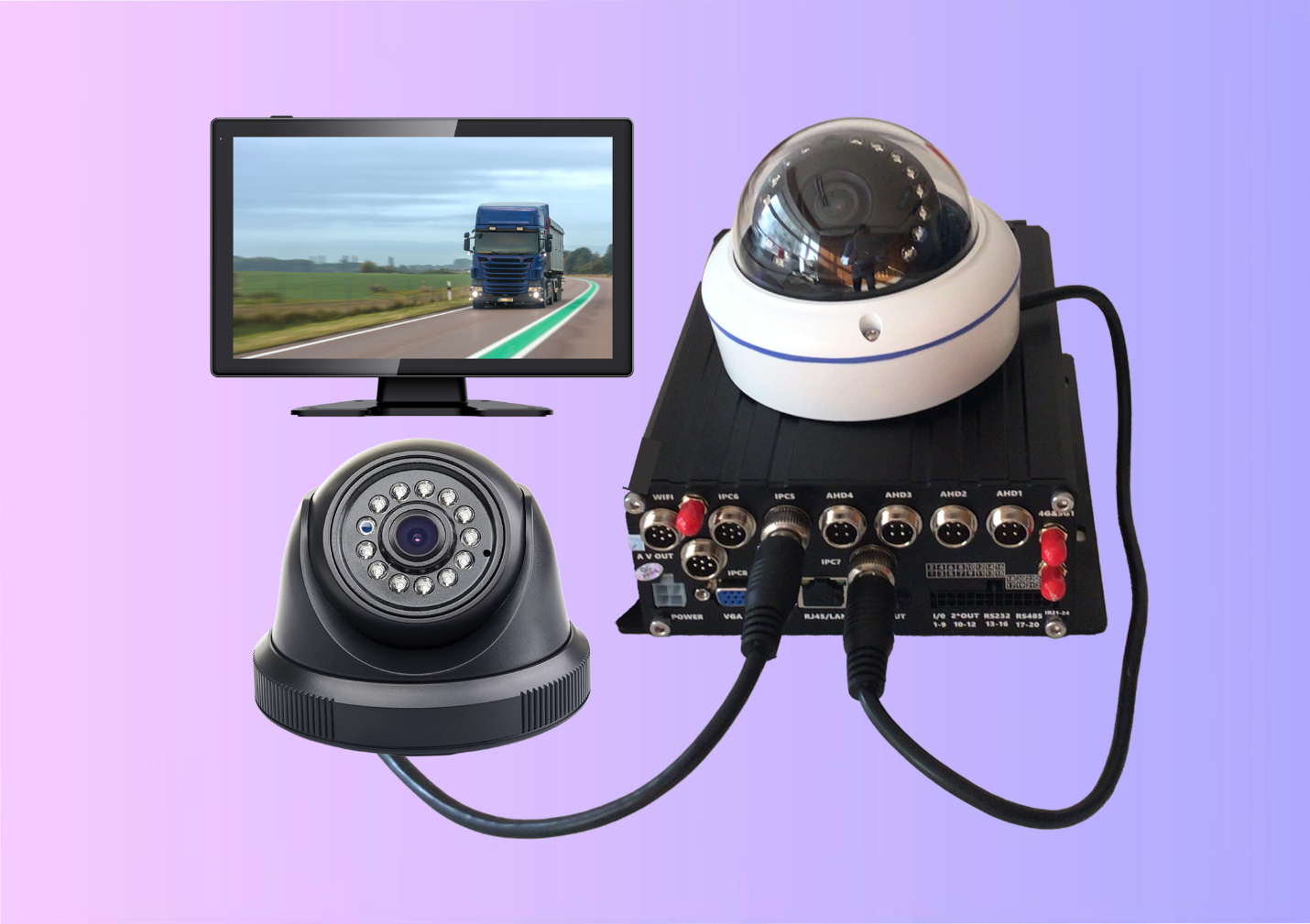
The time savings are not small. On a manual install, a technician might spend fifteen or twenty minutes per vehicle confirming channels, resolutions, and stream settings. Across a fleet, that adds up to days of paid labor and a real chance of typos. A mobile DVR system that discovers its cameras trims that to a quick check, so a crew finishes more vehicles per shift and the whole rollout wraps up sooner.
Discovery also lowers the skill barrier for a rollout. Because the recorder does the identifying, a newer technician can follow a short, repeatable checklist instead of memorizing settings for every camera model. For an operator running a large fleet of auto video surveillance systems, that consistency protects quality even when different technicians work on different vehicles.
It also offers a forward-looking benefit. As cameras with new features arrive, a fleet can introduce them gradually on the IP side while keeping proven analog units running. A hybrid MDVR that recognizes both keeps that door open, so operators are never forced into a single, all-at-once replacement. The system grows with the fleet rather than freezing it at one moment in time.
Where MacFaith Co., Ltd. Fits In
At MacFaith Co., Ltd., we design our recorders with this kind of practical deployment in mind. Based in China, we have manufactured and supplied mobile DVRs and cameras since 2011 and support OEM and ODM projects for partners worldwide. Our commercial vehicle DVRs run analog and IP cameras together; our 360 surround view camera systems combine several cameras into one bird’s-eye view; and our vehicle security cameras cover interior and exterior positions.
Planning a new install or a fleet-wide upgrade? At MacFaith Co., Ltd., we make hybrid MDVR deployment straightforward from the first vehicle. We fit the car cameras and explain how each one works; we connect them to a DVR that discovers and records every channel as a single system; and we add DMS and ADAS cameras so the setup supports safer driving, not just recording. Send us your fleet details so we can plan a rollout that fits your vehicles and timeline.