
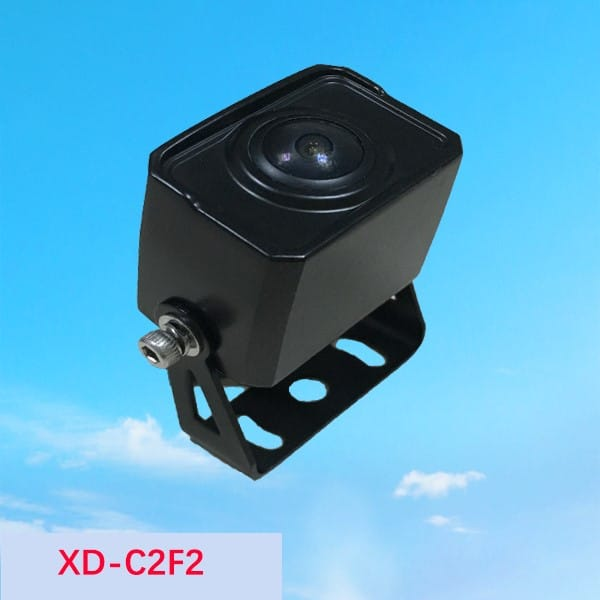
Vehicle surveillance and monitoring systems must operate in environments with highly variable lighting conditions. From bright sunlight on highways to the sudden darkness of tunnels or shaded urban streets, inconsistent exposure can compromise video clarity, obscure critical details, and reduce the reliability of recorded footage. To address this challenge, modern car cameras are equipped with exposure control in car cameras, a real-time adaptive technology that ensures clear, balanced video under all lighting scenarios.
This blog explores how adaptive exposure control works, its integration with vehicle surveillance systems, and its benefits for drivers and operators relying on accurate video data.
The Challenge of Variable Lighting in Vehicle Monitoring
Cameras installed in vehicles face a unique set of challenges. Unlike stationary CCTV cameras, car cameras must adjust continuously as the vehicle moves through environments with rapidly changing light levels. Key issues include:
- Sudden transitions from tunnels to daylight
- Glare from oncoming headlights or reflective surfaces
- Shadows cast by buildings, trees, or surrounding vehicles
Without adaptive exposure, footage may be overexposed or underexposed, reducing the usefulness of surveillance data and impairing driver visibility for monitoring purposes.
Exposure control in car cameras addresses these problems by adjusting camera parameters in real time, maintaining consistent image quality across diverse conditions.
How Adaptive Exposure Control Works
Adaptive exposure technology relies on intelligent algorithms that dynamically adjust camera settings, including shutter speed, ISO sensitivity, and gain. These adjustments occur in real time, enabling the camera to respond instantly to changing light levels.
Key functions include:
- Dynamic shutter speed adjustment: Faster shutter speeds reduce motion blur in bright conditions, while slower speeds capture more detail in low-light areas.
- ISO sensitivity management: Higher ISO levels enhance image brightness in darkness, while lower ISO prevents noise in bright light.
- Real-time histogram analysis: The system evaluates image brightness across the frame, allowing exposure parameters to be fine-tuned for optimal balance.
By continuously evaluating the lighting environment, exposure control in car cameras ensures that video footage remains clear, accurate, and useful for monitoring or post-event review.
Integration with Mobile DVR Systems
Adaptive exposure is most effective when paired with a centralized processing system such as a mobile DVR. In professional vehicle surveillance setups, AI-enabled AHD cameras transmit video to the DVR, where exposure adjustments can be coordinated and recorded consistently.
This system-level integration allows:
- Centralized management of multiple cameras
- Uniform exposure quality across all feeds
- Real-time processing that supports driver monitoring and incident documentation
By combining cameras with the mobile DVR, operators achieve a seamless vehicle surveillance system capable of maintaining reliable footage regardless of environmental changes.
Benefits for Multi-Camera Vehicle Surveillance
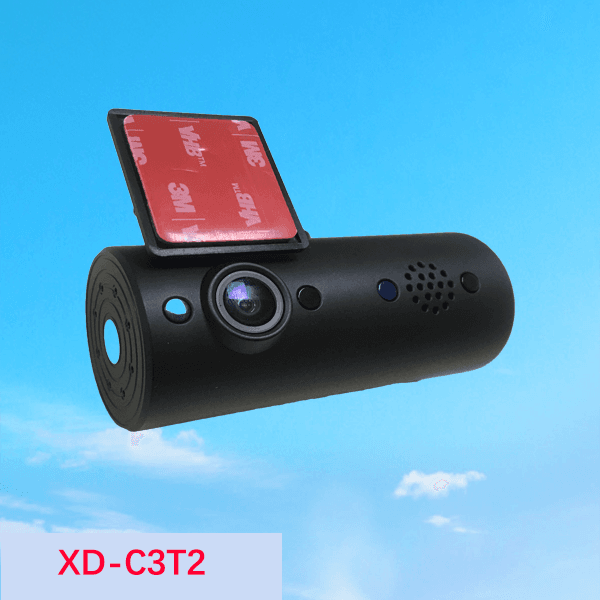
Vehicle surveillance systems often deploy multiple cameras to cover different angles, including front, rear, sides, and interior areas. Adaptive exposure control ensures that each camera maintains optimal brightness and clarity, even as lighting varies between zones.
Exposure control in car cameras enhances the effectiveness of multi-camera systems by:
- Maintaining balanced video across all feeds
- Reducing post-processing correction requirements
- Improving the quality of combined footage for full-vehicle monitoring
This is particularly valuable in fleet vehicles or commercial trucks, where comprehensive monitoring is essential for safety and operational accountability.
Enhancing Driver Safety and Awareness
Clear video is not only important for post-event review—it also directly impacts driver awareness. Adaptive exposure ensures that critical details, such as pedestrians, lane markings, and road signs, remain visible under all lighting conditions.
By enabling consistent image quality, exposure control in car cameras helps drivers make better-informed decisions and reduces the risk of accidents caused by obscured vision.
Improving Incident Documentation
In professional vehicle surveillance, accurate incident documentation is critical. Underexposed or overexposed footage can render key details—such as license plates, vehicle positions, or driver behavior—indiscernible.
Adaptive exposure control addresses this by dynamically optimizing video capture in real time. The result is a reliable record of incidents, providing evidence for safety, insurance claims, and operational audits.
Performance in Challenging Environments
Adaptive exposure technology is especially beneficial in challenging environments, such as:
- Urban canyons with alternating light and shadow
- Night driving with oncoming headlights
- Tunnels, underpasses, or shaded parking lots
By continuously adjusting to these lighting fluctuations, exposure control in car cameras ensures consistent footage quality, enhancing the effectiveness of the entire surveillance system.
Supporting Advanced Surveillance Features
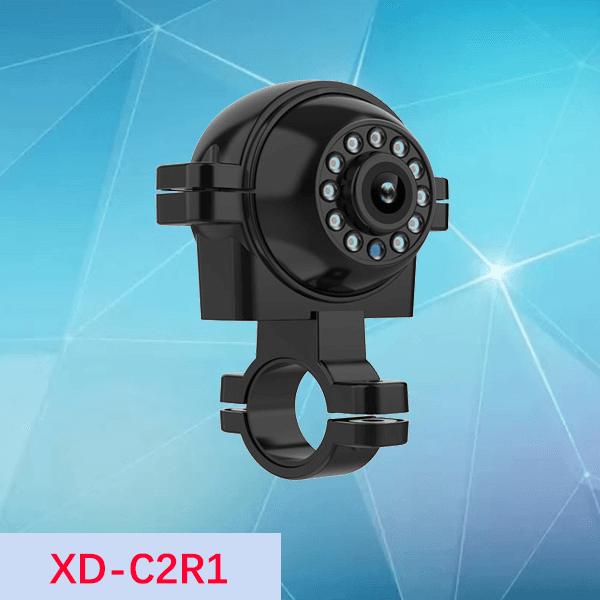
Exposure control also complements advanced vehicle monitoring functions, such as ADAS and DMS modules. These systems rely on clear visual input to perform functions like lane departure warnings, collision alerts, and driver alertness monitoring.
With adaptive exposure, cameras deliver high-quality video to these systems, ensuring that assistive functions operate reliably under all lighting conditions. This integration improves overall vehicle safety and operational efficiency.
Scalability and System Flexibility
Adaptive exposure works seamlessly across individual cameras or full multi-camera setups, making it scalable for different vehicle types and operational requirements. By combining adaptive exposure technology with AI-enabled cameras and mobile DVR systems, vehicle solution agencies can deploy robust, flexible surveillance systems suitable for cars, buses, trucks, and fleet operations.
Exposure control in car cameras thus supports comprehensive, full-vehicle monitoring without compromising video quality under dynamic lighting conditions.
Future Directions for Adaptive Exposure in Vehicle Cameras
Ongoing advancements in AI and camera sensor technology will further enhance exposure control capabilities. Future systems may include:
- Predictive exposure adjustments based on anticipated lighting changes
- Integration with hybrid mobile DVR platforms for real-time multi-camera optimization
- Enhanced algorithms that reduce noise while maintaining brightness in extreme conditions
These developments will further strengthen vehicle surveillance systems and support safer, more reliable driving.
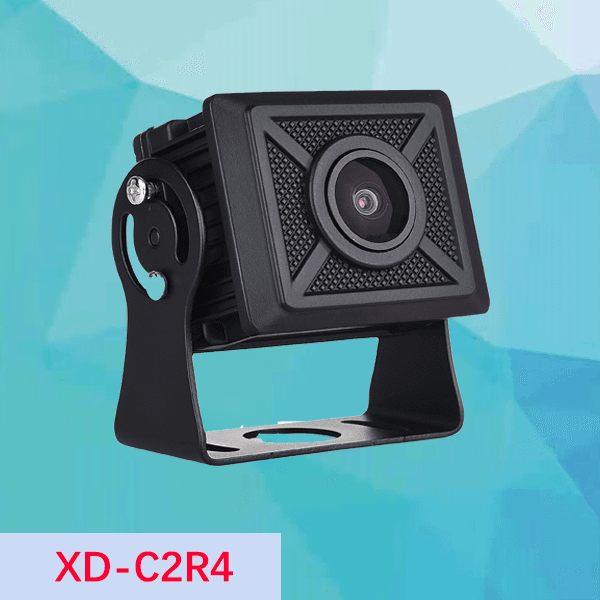
At MacFaith Co., Ltd., we manufacture and supply professional vehicle surveillance systems built around AI-enabled cameras and DVR platforms. Our solutions ensure precise exposure control in car cameras, delivering clear video for real-time monitoring and reliable incident documentation. By combining vehicle camera systems with DVR, mobile DVR systems, advanced driver assistance systems, and rugged memory devices, we provide vehicle solution agencies with scalable, robust systems. Our newest addition, the hybrid mobile DVR, further enhances multi-camera performance and adaptive exposure functionality for full-vehicle monitoring.
Get in touch with us now.