
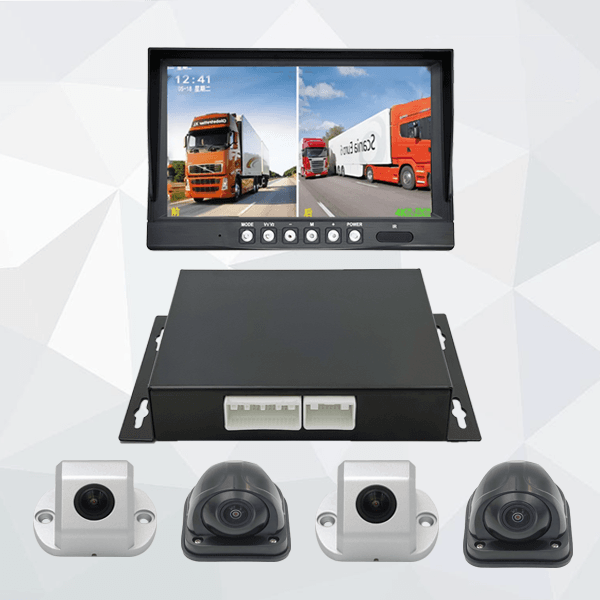
Meta: Modern vehicle monitoring systems demand complete situational awareness. As traffic density increases and driving environments become more complex, partial camera coverage is no longer sufficient. To address blind spots and provide comprehensive visibility, vehicle surveillance systems increasingly rely on fisheye lens technology. These lenses play a critical role in enabling 360° vehicle surveillance, allowing multiple cameras in a system to capture an ultra-wide field of view and support full-vehicle monitoring.
Fisheye lenses, when combined with intelligent software processing, help drivers and operators understand surroundings more clearly, reduce blind spots, and improve safety. This blog explains how fisheye lenses work, how their captured images are processed, and why they are essential for modern vehicle surveillance systems.
Understanding Fisheye Lens Technology in Vehicle Cameras
A fisheye lens is designed to capture an extremely wide viewing angle, often approaching or exceeding 180 degrees. Unlike standard lenses that prioritize image realism, fisheye lenses intentionally introduce visual distortion to maximize coverage. This distortion allows a group of cameras to monitor a much larger area than traditional lenses.
In vehicle applications, fisheye lenses are typically used to observe areas that are difficult to cover with narrow-angle cameras, such as vehicle sides, corners, and immediate surroundings. This capability forms the foundation of 360° vehicle surveillance, where complete environmental awareness is achieved through wide-angle image capture and intelligent processing.
Addressing Blind Spots Through Panoramic Coverage
Blind spots are among the most significant risks in vehicle operation. Traditional camera setups may leave gaps between coverage zones, especially near the vehicle’s sides or corners. Fisheye lenses reduce these gaps by capturing panoramic views that extend beyond the limits of conventional lenses.
By expanding the visible area around the vehicle, 360° vehicle surveillance systems help drivers detect nearby vehicles, pedestrians, and obstacles that would otherwise remain unseen. This comprehensive visibility improves maneuvering safety in confined spaces, urban traffic, and complex driving environments.
Image Distortion and the Need for De-Warping
While fisheye lenses provide exceptional coverage, their raw images are heavily distorted. Straight lines appear curved, and objects near the edges of the frame may look stretched. Without correction, this distortion can make interpretation difficult.
To resolve this, modern vehicle surveillance systems apply de-warping software. De-warping algorithms mathematically transform the distorted fisheye image into a more natural, rectified view. This processing enables the system to present clear, usable visuals while preserving wide-area coverage.
In 360° vehicle surveillance, de-warping is essential for converting panoramic data into meaningful visual information that drivers and operators can easily understand.
System-Level Integration Through the Mobile DVR
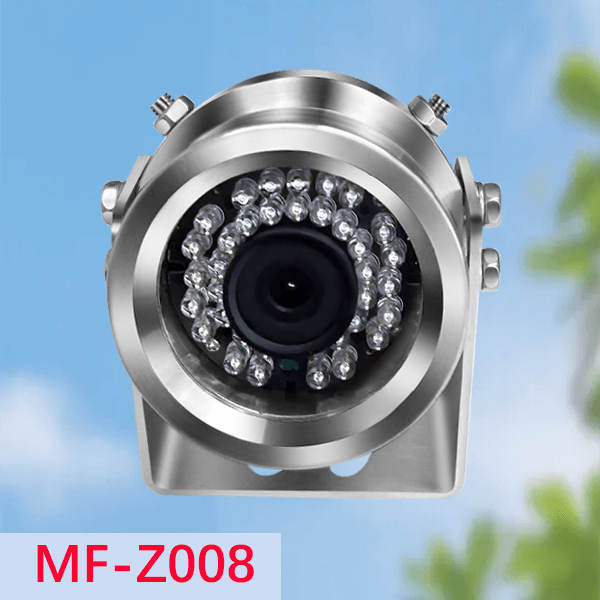
Fisheye cameras do not operate independently. In vehicle surveillance architectures, all camera feeds are transmitted to the mobile DVR, which acts as the host device for video processing and system configuration. De-warping and image correction are performed through the DVR’s software environment.
This centralized processing ensures consistency across all connected cameras. By managing fisheye image transformation at the system level, 360° vehicle surveillance platforms maintain synchronized views and unified control. This approach also simplifies system updates and configuration adjustments.
Multi-Camera Composition for Full Vehicle Coverage
It is important to understand that full-surround monitoring is not achieved through a single camera alone. Instead, multiple fisheye-equipped cameras are strategically installed around the vehicle to cover different zones. These cameras work together as part of a unified system.
Each fisheye camera contributes a wide-angle perspective, and their combined outputs create a continuous visual envelope around the vehicle. 360° vehicle surveillance relies on this multi-camera composition to eliminate coverage gaps and provide seamless situational awareness.
Enhancing Spatial Awareness for Drivers
A clear understanding of vehicle surroundings directly influences driver confidence and safety. Panoramic visibility allows drivers to assess spatial relationships more accurately, especially during low-speed maneuvers such as parking, lane changes, and turning in tight spaces.
By supporting 360° vehicle surveillance, fisheye lenses enable drivers to perceive nearby objects and moving entities more intuitively. This reduces reliance on guesswork and minimizes the risk of minor collisions or operational errors.
Supporting Intelligent Assistive Driving Functions
Fisheye camera data is not only valuable for visual monitoring but also for intelligent analysis. Assistive driving software relies on accurate visual inputs to function effectively. Wide-angle coverage ensures that relevant environmental data is captured and available for processing.
In 360° vehicle surveillance systems, panoramic data supports enhanced situational analysis, helping assistive functions maintain awareness of surrounding traffic conditions. This integration improves the reliability of driver alerts and enhances overall system performance.
Performance in Challenging Visual Conditions
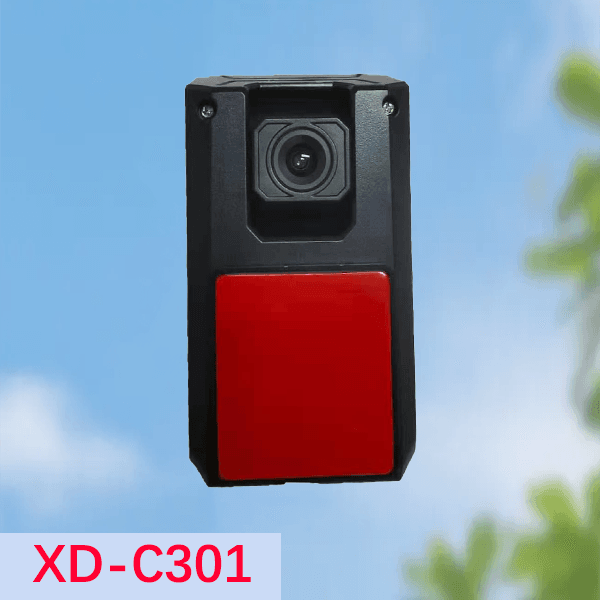
Vehicle surveillance systems must operate reliably under varying lighting and environmental conditions. Fisheye lenses, when combined with appropriate processing, maintain consistent coverage even in challenging scenarios such as glare, shadows, or rapid lighting changes.
De-warping and image enhancement techniques ensure that 360° vehicle surveillance remains effective regardless of environmental complexity. This reliability is essential for maintaining continuous visibility and minimizing false interpretations of surrounding movement.
Improving Incident Documentation and Review
Comprehensive visual coverage is invaluable for post-incident analysis. Fisheye lenses provide a broader contextual view, capturing events from multiple angles simultaneously. This contextual information supports accurate reconstruction of incidents and improves accountability.
With 360° vehicle surveillance, recorded footage offers a more complete understanding of events, reducing ambiguity and supporting more informed assessments.
Scalability and System Flexibility
Vehicle surveillance systems must be adaptable to different operational requirements. Fisheye-based monitoring offers scalability by allowing additional cameras to be integrated without disrupting system logic.
Because processing is centralized through the DVR, 360° vehicle surveillance systems can expand coverage or adjust camera placement as needed. This flexibility makes fisheye lens integration suitable for a wide range of vehicle monitoring applications.
The Growing Importance of Panoramic Vehicle Monitoring
As driving environments become increasingly complex, the demand for comprehensive visibility continues to rise. Partial camera coverage is no longer sufficient to support safety, efficiency, and accountability.
Fisheye lenses, combined with intelligent processing, provide a practical and effective solution. By enabling 360° vehicle surveillance, they transform how vehicles perceive and interact with their surroundings.
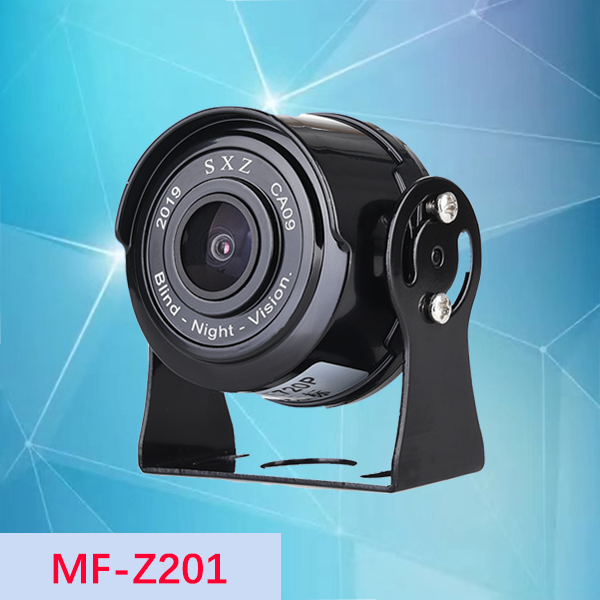
At MacFaith Co., Ltd., we manufacture and supply professional 360° vehicle surveillance solutions built on the seamless integration of DVRs and CCTV cameras. By combining AI-enabled AHD cameras with centralized mobile DVR systems, we enable accurate video processing for the deployment of vehicle camera systems with DVRs. Our platforms have rugged memory devices and scalable system architectures for vehicle solution agencies, and now include our latest hybrid mobile DVR, designed to support advanced, multi-camera vehicle surveillance requirements.
Contact us now.