

Modern vehicle surveillance systems often consist of cameras installed over several years using different technologies. Some vehicles operate with legacy analog cameras, while others deploy modern IP-based devices with higher resolution and advanced digital features. Managing these mixed infrastructures can be challenging without a flexible recording platform.
A hybrid MDVR system addresses this challenge by integrating multiple camera technologies into a single recording architecture. These advanced mobile video recorders are engineered to process analog and IP camera streams simultaneously, allowing fleets to maintain existing equipment while expanding their surveillance capabilities.
Through technologies such as protocol conversion, signal buffering, and real-time encoding, a hybrid MDVR system enables seamless communication between diverse camera networks. This technical guide explains how these systems manage multi-protocol environments and ensure reliable vehicle surveillance across complex fleet operations.
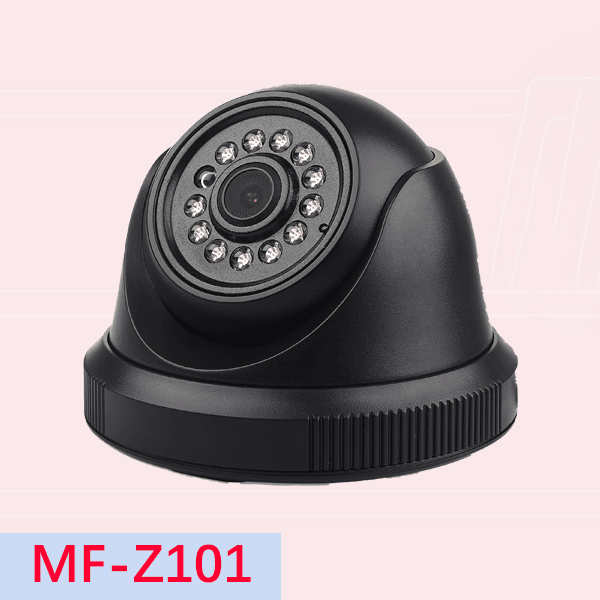
Understanding Multi-Protocol Camera Networks
Vehicle fleets rarely deploy cameras using a single communication standard. Over time, camera technologies evolve, and organizations adopt newer devices while still relying on older hardware that continues to function effectively.
Common camera types used in vehicle monitoring systems include:
- Analog AHD cameras
- Traditional CVBS cameras
- High-definition IP cameras
- Network-based smart cameras
Each camera type transmits video signals differently. Analog cameras send electrical signals directly through video cables, while IP cameras transmit encoded digital data over network connections.
A hybrid MDVR system bridges these communication differences by supporting multiple protocols within one recording platform. This capability allows fleets to operate mixed camera networks without requiring separate recorders for each camera type.
Protocol Conversion for Unified Video Integration
One of the most important technical mechanisms used in a hybrid DVR architecture is protocol conversion. This process allows the recorder to translate video signals from different camera standards into a unified format that can be processed internally.
In a hybrid MDVR system, analog camera signals first enter the device through traditional video input ports. These signals are then converted into digital video streams through analog-to-digital conversion modules.
Meanwhile, IP cameras transmit digital packets that are received through the recorder’s network interface. These packets may use different communication protocols depending on the camera manufacturer.
The hybrid system converts these incoming data streams into a standardized internal format, allowing them to be processed and recorded together. Through this protocol translation process, the hybrid MDVR system ensures compatibility between cameras that would otherwise be unable to communicate with one another.
Signal Buffering for Stable Multi-Camera Recording
When a vehicle operates multiple cameras simultaneously, the recording system must manage large amounts of video data in real time. Cameras may produce streams at different frame rates, resolutions, or transmission speeds.
Signal buffering plays a critical role in ensuring stable performance under these conditions.
Within a hybrid MDVR system, temporary memory buffers store incoming video data before it is processed. These buffers allow the system to regulate data flow and prevent disruptions caused by transmission delays or bandwidth variations.
Buffering offers several operational advantages:
- Synchronizes video streams from multiple cameras
- Prevents frame loss during high data loads
- Maintains consistent recording quality
- Supports multi-channel playback with accurate timing
By temporarily holding incoming signals, the hybrid MDVR system ensures smooth integration of camera feeds even when multiple protocols are involved.
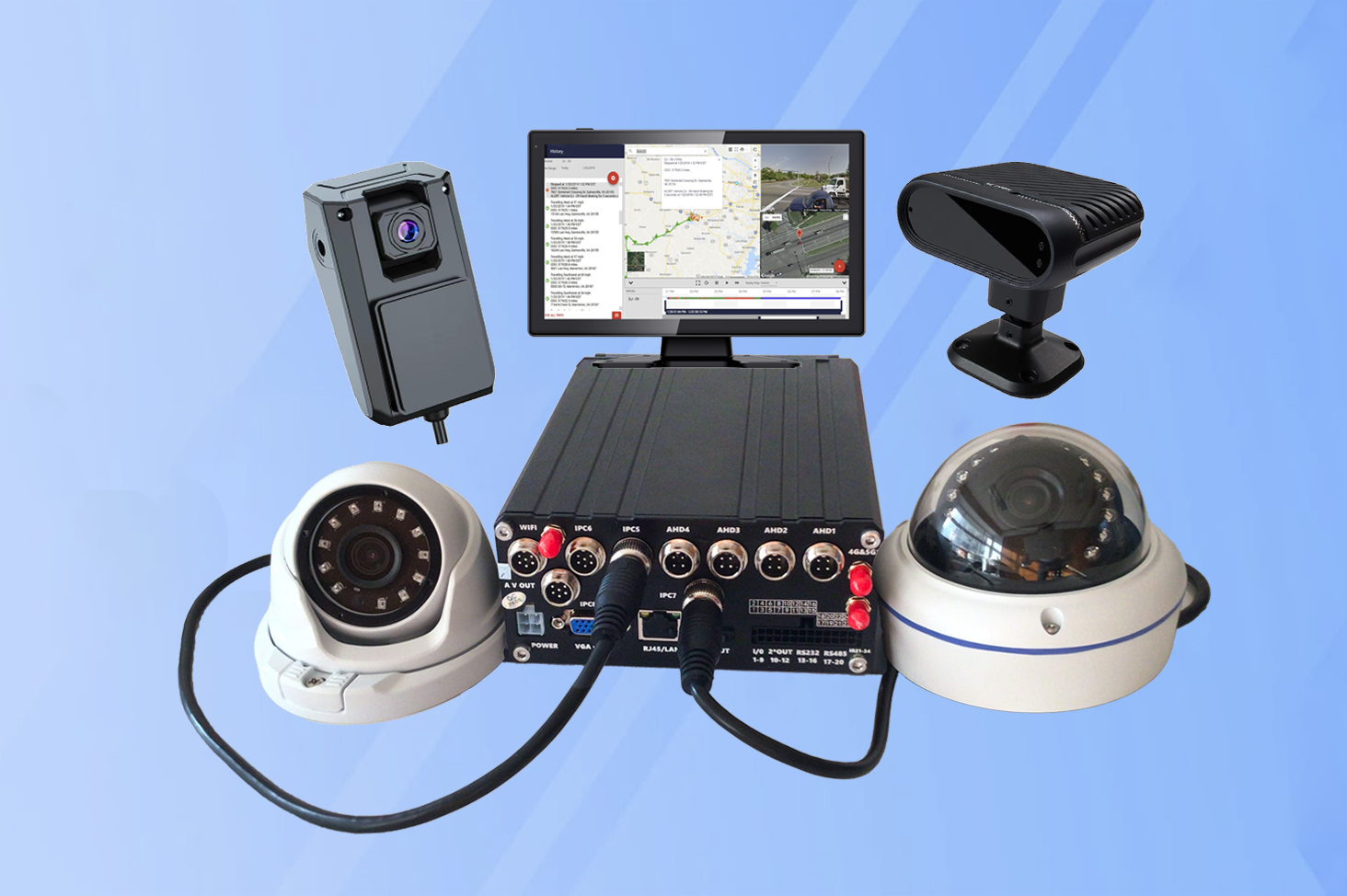
Real-Time Encoding and Compression
After signals from different cameras are converted and buffered, the next step involves real-time encoding. Encoding transforms raw video data into compressed digital formats that can be stored efficiently.
A hybrid MDVR system typically uses advanced video compression standards to reduce storage requirements while preserving image clarity. This encoding process allows the system to record multiple camera channels without overwhelming storage capacity.
Real-time encoding also enables several important functions:
- Efficient multi-channel recording
- Remote streaming of live video feeds
- Faster retrieval of recorded footage
- Optimized storage utilization
By processing video streams instantly, the hybrid MDVR system maintains reliable surveillance performance while managing the heavy data demands of multi-camera networks.
Multi-Channel Synchronization and Event Recording
Vehicle monitoring systems often include cameras positioned around the vehicle to capture different perspectives. These may include front-facing road cameras, cabin monitoring cameras, and rear-view cameras.
A hybrid MDVR system synchronizes these cameras to ensure all video streams share accurate timestamps. This synchronization allows operators to review incidents using multiple angles simultaneously.
When a safety event occurs—such as sudden braking or a collision—the recorder can automatically trigger event-based recording. Important footage is then protected from being overwritten, ensuring that critical evidence remains available for review.
Adaptive Network Management
In addition to recording video locally, many fleet monitoring systems transmit video data to remote servers or control centers. Network conditions may vary as vehicles travel through urban areas, rural locations, or regions with weak cellular coverage.
To maintain consistent performance, a hybrid MDVR system includes adaptive network management features that regulate data transmission based on available bandwidth.
These features may include:
- Intelligent video bitrate adjustment
- Event-prioritized video uploads
- Selective camera streaming
- Network traffic optimization
Adaptive transmission ensures that important data reaches remote monitoring platforms without disrupting the recording process.
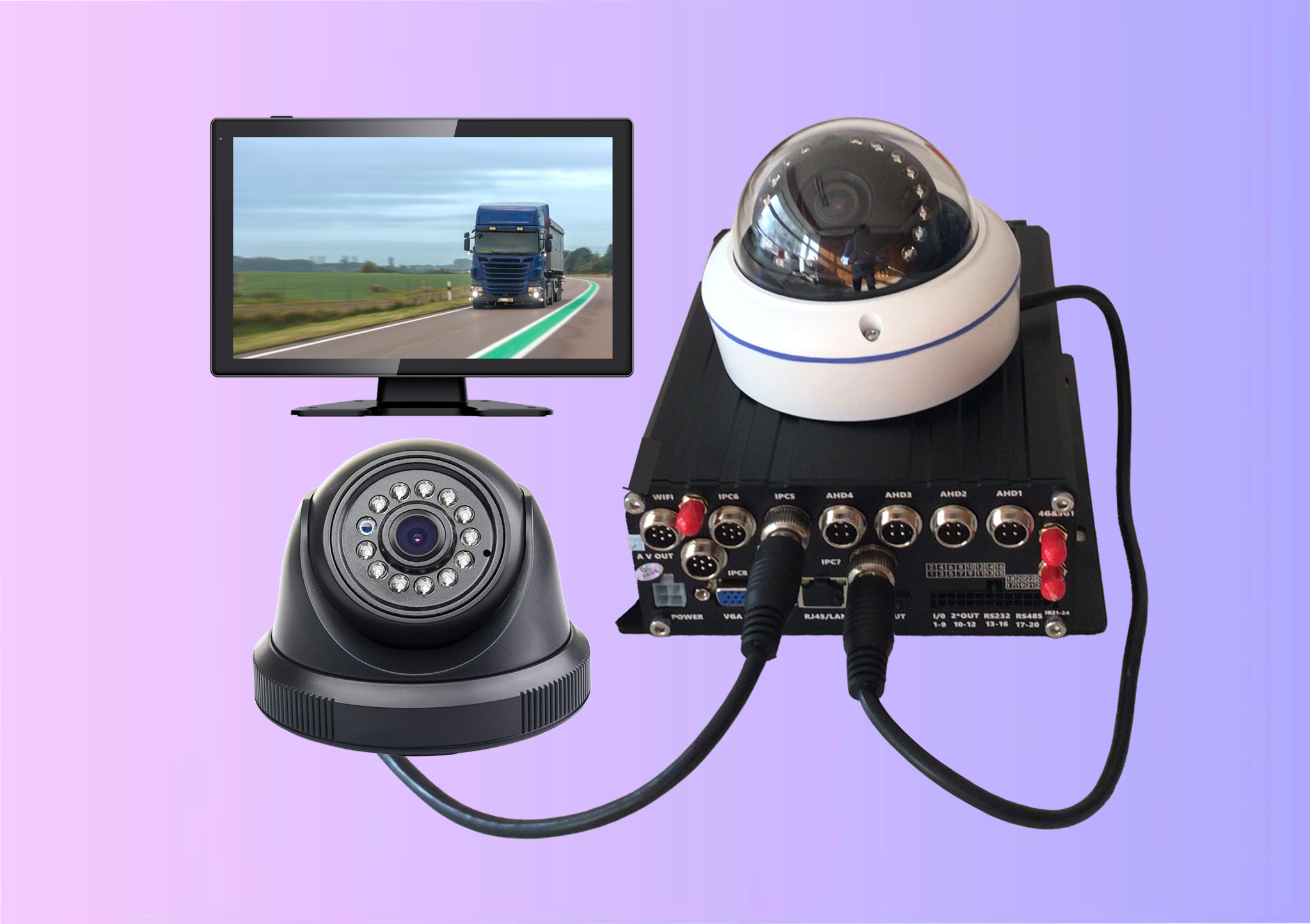
Expanding Camera Networks Without Infrastructure Replacement
A major advantage of hybrid DVR technology is its ability to support future system expansion. Fleet operators can gradually upgrade their camera infrastructure without replacing all existing devices at once.
For example, a fleet might initially install analog cameras for basic monitoring. As surveillance needs grow, additional IP cameras can be added to enhance video quality or introduce new monitoring features.
Because the hybrid MDVR system supports multiple camera protocols, new devices can be integrated without removing older cameras. This flexibility significantly reduces upgrade costs and operational disruptions.
Reliability in Mobile Surveillance Environments
Hybrid mobile DVR systems are designed specifically for vehicle environments where equipment must withstand vibration, temperature variations, and long operating hours.
To maintain stable performance, a hybrid MDVR system incorporates rugged hardware components, reinforced mounting structures, and durable storage solutions. These design features ensure reliable operation during continuous vehicle movement.
By combining durable hardware with advanced signal processing technologies, hybrid DVR systems provide dependable surveillance for transportation fleets operating in demanding environments.
The Future of Multi-Protocol Vehicle Surveillance
As vehicle monitoring technologies continue to evolve, fleets will increasingly rely on surveillance systems capable of supporting diverse camera networks. Hybrid DVR platforms offer the flexibility required to adapt to these changing technologies.
With their ability to integrate analog and IP cameras, manage multi-channel video streams, and maintain reliable recording performance, hybrid systems will remain a central component of modern vehicle surveillance.
The hybrid MDVR system represents a practical solution for fleets seeking scalable, efficient, and technologically advanced monitoring infrastructure.
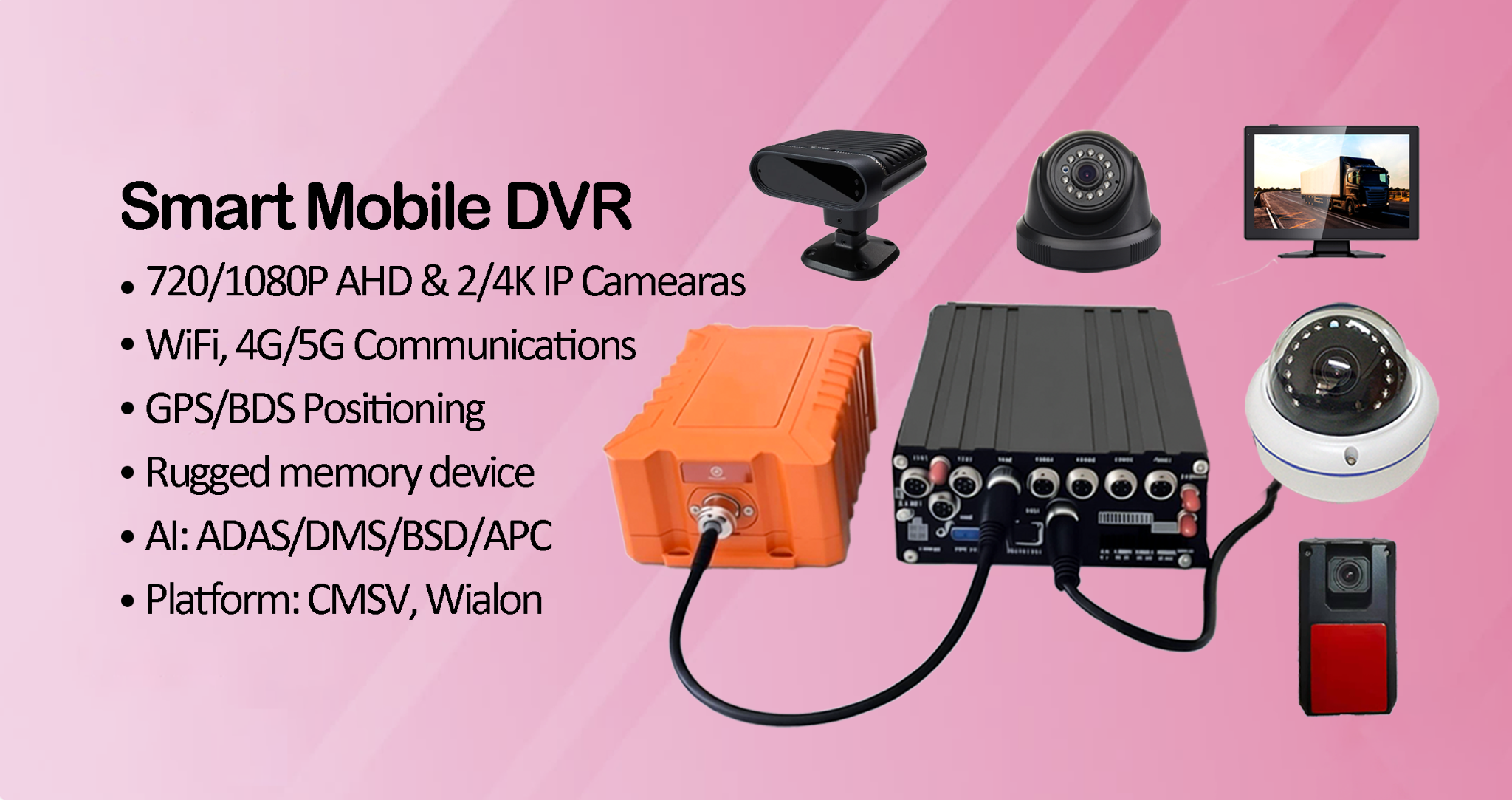
For organizations seeking dependable multi-camera vehicle surveillance, MacFaith Co., Ltd. develops professional recording platforms built around advanced hybrid MDVR systems. Our vehicle surveillance solutions combine high-performance full HD car DVRs, HD car cameras, rugged memory devices and features like ADAS and DMS. We have also launched our hybrid mobile DVRs to boost surveillance for commercial fleets.
Contact us for more information.