

In today’s intelligent vehicle surveillance systems, every frame of video counts. Fleet safety, legal accountability, and driver performance all rely on how effectively each second of footage is captured and processed. One of the most important yet often overlooked factors is FPS, or frames per second, in car DVR recordings.
Understanding the difference between 30 fps and 60 fps recording speeds is key to achieving accurate, fluid, and evidence-ready footage. In a world where every detail matters, from number plates to facial expressions, frame rate directly affects the quality and reliability of your automobile video camera systems.
What Is FPS and Why It Matters
FPS (Frames per Second) defines how many images your car video recorder captures each second. The higher the frame rate, the smoother the motion appears. In vehicle surveillance solutions, this translates to more precise detail during high-speed events such as overtaking, lane changes, or sudden braking.
At 30 fps, you record 30 still frames per second, suitable for general surveillance. At 60 fps, the DVR records twice that number, ensuring clearer slow-motion playback and more accurate analysis during collisions or near misses.
A high-performance mobile DVR system paired with AI-enabled AHD cameras captures footage with real-time clarity. These vehicle security cameras not only reproduce events accurately but also provide sharper visual data for ADAS (Advanced Driver Assistance Systems) and DMS (Driver Monitoring Systems).
The Science Behind Frame Rate and Motion Clarity
A DVR camera system for cars processes continuous frames through its internal processor before compressing them for storage. The more frames it records, the more granular the visual data becomes.
For instance, in a 30 fps recording, a fast-moving object might blur across multiple frames. At 60 fps, that same movement is divided into twice as many images, providing crisper detail. This precision is essential when analyzing vehicle surveillance camera systems for insurance or legal purposes, where every millisecond of motion can change the interpretation of an event.
Additionally, digital video recorders for cars must maintain a consistent frame rate despite changing lighting and vibration conditions. This is achieved through intelligent buffering, anti-shake algorithms, and synchronized sensor control between cameras and DVR units.
FPS and the Integration of AHD Cameras
The quality of recorded footage isn’t determined by the DVR alone. In vehicle camera systems with DVR, AHD (Analog High Definition) cameras play an equally vital role.
AHD cameras, a specific type of HD camera, transmit analog signals in high resolution with minimal latency, ideal for high frame-rate recording. When combined with a mobile DVR camera system, they enable synchronized, high-speed data processing.
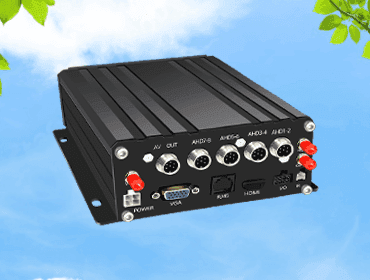
At MacFaith Co., Ltd., our AHD cameras use advanced sensors that maintain frame rate stability even under dynamic lighting conditions. For example, when driving through tunnels or facing direct sunlight, the cameras adjust exposure without affecting the 30 fps or 60 fps recording speed.
This precision ensures that assistive-driving systems such as ADAS and DMS receive uninterrupted data streams, allowing real-time analysis of road situations and driver behavior.
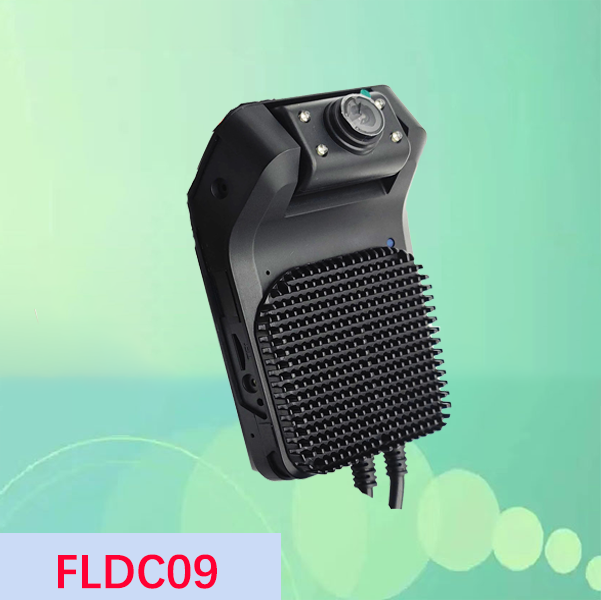
How FPS Affects ADAS and DMS Performance
Both ADAS and DMS depend on clear, continuous visual data. Inconsistent frame rates can cause delayed recognition or false alarms. For instance:
- ADASrequires steady input to identify lane markers, detect nearby vehicles, and issue forward-collision warnings. A jumpy or low-frame-rate feed can disrupt this pattern.
- DMSrelies on facial analysis, eye-tracking, and head-position data. At lower frame rates, subtle movements, like a driver blinking or glancing sideways, may go undetected.
By operating at 60 fps, a vehicle surveillance camera system ensures that every detail of driver and road behavior is captured with temporal accuracy. This directly improves assistive-driving reliability and helps fleet managers maintain higher safety standards.
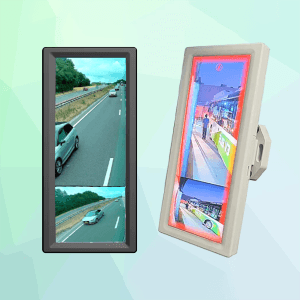
FPS and Real-World Vehicle Conditions
Recording quality isn’t only about numbers, it’s about performance in motion. In a vehicle surveillance system manufacturer’s setup, the cameras and DVRs are calibrated to perform optimally only when the vehicle is moving.
Because the CCTV vehicle security cameras continuously process visual input from changing road environments, their synchronization with the DVR’s frame rate is crucial. When a vehicle accelerates, decelerates, or encounters bumps, a properly calibrated frame rate maintains smooth visual tracking and prevents dropped frames.
For commercial fleets, buses, taxis, or delivery trucks, this consistency ensures reliable documentation of each trip. High-frame-rate recording also improves playback clarity during reviews of on-road events, driver training sessions, or compliance audits.
Storage, Compression, and Efficiency
Higher frame rates mean larger data sizes. However, modern auto DVR camera systems use advanced encoding to maintain storage efficiency without compromising image fidelity. The DVR’s software dynamically adjusts bit rates according to scene complexity, preserving motion integrity in high-activity zones while saving space during static scenes.
When paired with rugged memory devices, designed to withstand fire, impact, and water exposure, stored footage remains secure even under extreme conditions. This ensures that every high-frame-rate recording remains recoverable for legal and operational use.
30 fps vs. 60 fps: Choosing What’s Right for Your Fleet
30 fps recording:
- Ideal for standard fleet operations and general security footage.
- Sufficient for identifying vehicles, pedestrians, and traffic flow.
- Balances performance and storage.
60 fps recording:
- Recommended for vehicles operating in dynamic or high-speed environments.
- Provides smoother, clearer playback, critical for event reconstruction.
- Enhances ADAS and DMS accuracy for proactive safety alerts.
Choosing the right frame rate depends on fleet type, road conditions, and safety priorities. Many fleet managers now adopt hybrid solutions, recording at 60 fps on critical front-facing vehicle security cameras and 30 fps on auxiliary views, to optimize storage without compromising evidence quality.
Frame rate defines the heartbeat of your vehicle surveillance camera system. It determines how effectively your DVR and camera setup translate motion into actionable data. Whether capturing subtle driver reactions or rapid on-road movements, FPS directly influences the reliability of every assistive-driving feature.
At MacFaith Co., Ltd., we design and supply mobile DVR camera systems and AI-enabled AHD cameras that ensure every frame is recorded with uncompromising precision. Our integrated vehicle surveillance solutions empower vehicle solution agencies to deliver safer, smarter, and more accountable fleet operations.
Learn more about our products or visit our company page to explore how we combine digital video recorder car technology with ADAS and DMS systems. For personalized support or to request a quote, contact us today.
MacFaith Co., Ltd., your trusted manufacturer and supplier of vehicle surveillance systems, DVR camera systems for cars, and intelligent in-vehicle camera monitoring systems built to capture every frame that matters.